How to tell if your home needs repiping starts with looking for several plumbing problems at once. Rusty water, weak pressure, repeat leaks, loud pipes, and visible corrosion may show worn supply lines. A plumber can inspect the system and explain whether you need whole-home replacement or a smaller repair.
Table of Contents
- What Does Repiping a Home Involve?
- What Are the First Warning Signs Your Home Needs Repiping?
- Which Water and Plumbing Problems Suggest Widespread Pipe Failure?
- What Other Signs Indicate It May Be Time to Replace Your Pipes?
- How Do You Know Whether You Need Repiping or a Localised Repair?
- What Should a Plumber Check Before Recommending Repiping?
- What Should You Do If Your Home Shows Signs of Repiping?
- Frequently Asked Questions
- Conclusion and Key Takeaways
What Does Repiping a Home Involve?
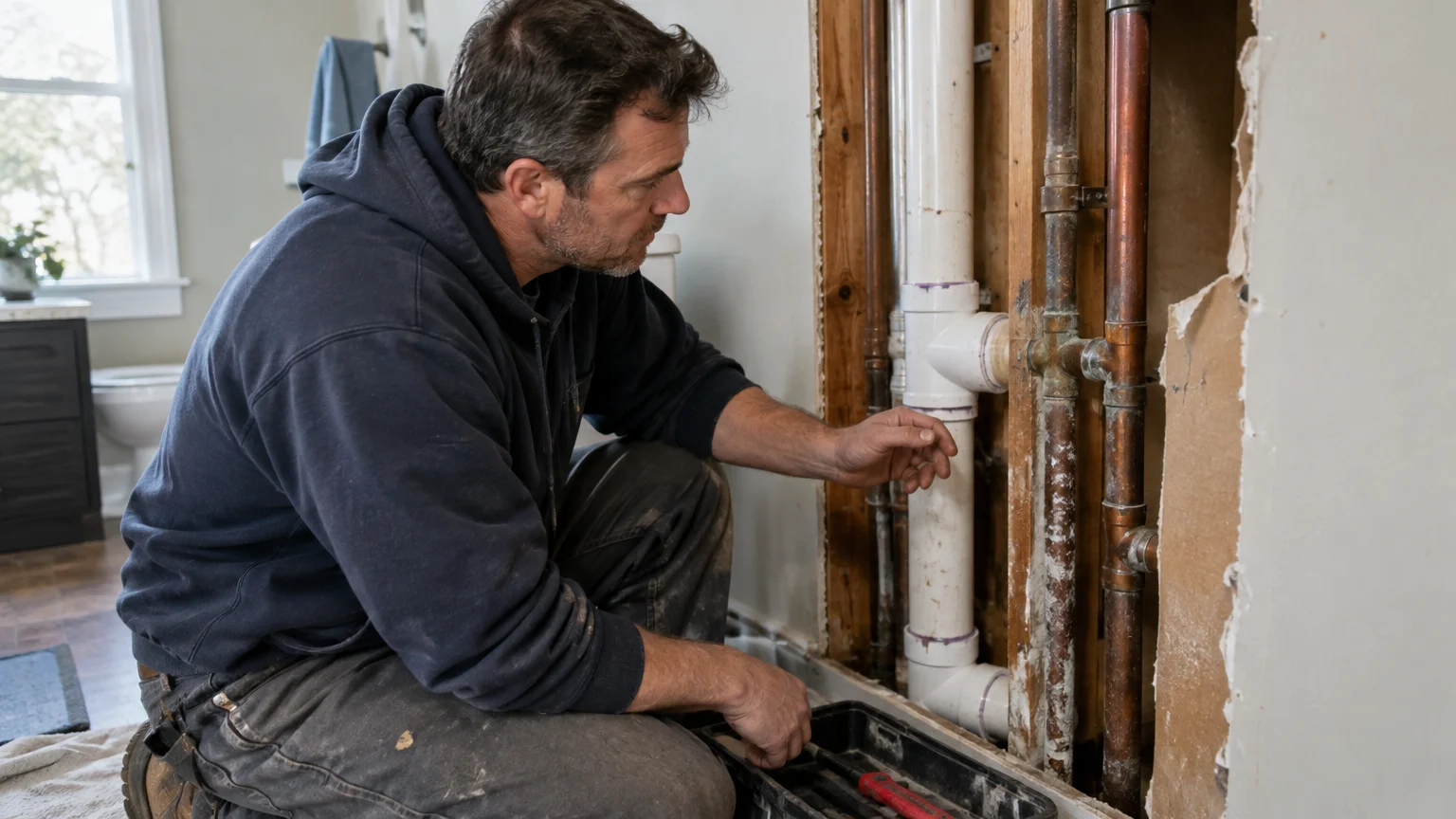
Repiping means replacing many or all water supply pipes in a building. It is not the same as fixing one leaking pipe under a sink or behind a wall. A whole-home project addresses the pipes that carry hot and cold water to fixtures throughout the property.
Repiping may involve opening small access points, removing old lines, adding new pipe, and reconnecting fixtures. The plan depends on the home layout, pipe location, access, and condition of the current system. Your plumber should explain which areas need work before the project starts.
How whole-home repiping differs from isolated pipe repairs
An isolated repair treats one damaged area. It can work well when one fitting, valve, or short pipe section has failed. Local repair is also useful when the rest of the plumbing works well and shows no broad wear.
Repiping is more likely when leaks keep returning in different rooms. It may also be needed when several branches have corrosion, weak flow, or damaged joints. Plumbing Riverside California can help property owners learn whether the issue is local or spread across the system.
Which plumbing materials are commonly used for replacement pipes?
Common replacement materials include copper, PEX, and CPVC. PEX is flexible and may need fewer joints in some layouts. Copper is strong and widely used. CPVC is a rigid plastic option for some water systems.
Each material has rules and limits. A qualified plumber should match the pipe to local rules, water conditions, heat, and the home design. The installer should also protect pipes from freezing, movement, heat, and damage.
What Are the First Warning Signs Your Home Needs Repiping?
The first warning signs often affect water quality and flow. Rusty water, a strange smell, or weak pressure at several fixtures may point to aging supply pipes. One odd faucet may have a simple fault, but a whole-house pattern needs a closer look.
A common pattern starts with brown water after a pipe sits unused. Then weak flow appears upstairs, and another faucet shows the same issue. That pattern matters more than one isolated symptom.
1. Discoloured, rusty, or foul-smelling water
Brown, orange, or yellow water may come from rust inside old pipes. It can also appear after nearby plumbing work or a water-main problem. Water that smells metallic, earthy, or like rotten eggs needs attention because the source may not be the faucet.
Run cold water briefly and see if the problem affects one fixture or many. Do not drink water that looks or smells unusual until the cause is known. If the issue returns throughout the home, a plumber should inspect the supply pipes and related equipment.
2. Persistent low water pressure throughout the home
Low pressure at one fixture may come from a clogged aerator, bad cartridge, or closed valve. Low pressure at many fixtures points to a wider concern. Corrosion, mineral buildup, a bad pressure regulator, or a damaged main line can reduce flow.
You can safely clean a faucet aerator and check that shutoff valves are open. That simple check cannot find hidden pipe damage. If pressure stays weak in Riverside, California, a professional review can separate a system problem from a fixture problem.
Which Water and Plumbing Problems Suggest Widespread Pipe Failure?
Repeated failures are stronger evidence than one leak. When several pipes, joints, or fixtures cause trouble over time, the system may be nearing the end of its useful life. Water damage can spread behind walls, below floors, and inside cabinets before it is easy to see.
The signs below may happen alone, but they matter more together. Leak detection can help find hidden moisture before it causes mold, damaged finishes, or weak building materials.
3. Frequent leaks or recurring pipe repairs
A pipe that leaks once may need a focused repair. Several leaks in different rooms suggest that the same old material may be failing across the home. A patch may fix one spot while another weak section remains ready to fail.
Keep a simple record of leaks, repairs, and affected rooms. This gives the plumber helpful details during the inspection. Sudden water loss, a ceiling stain, or a burst pipe calls for prompt action and may require Emergency Plumbing support.
4. Noisy pipes, banging, or vibrating plumbing lines
Banging can happen when moving water stops fast. This is called water hammer, which means a pressure shock inside the pipe. Rattling or vibrating lines may come from loose supports, high pressure, trapped air, or worn valves.
Noise alone does not prove that repiping is needed. Still, loud pipes deserve attention when they occur with leaks, weak pressure, or visible rust. A plumber can check supports, valves, pressure, and joints before a small issue causes more harm.
What Other Signs Indicate It May Be Time to Replace Your Pipes?
Some repiping clues develop slowly. Several slow drains, peeling pipe surfaces, and swollen areas can signal trouble in different parts of the plumbing. These signs should not be treated as normal just because water still runs.
Do not cut into walls or handle damaged lines without knowing what they contain. Basic checks are safe, but hidden leaks and weak pipes need trained testing. The signs below show when a wider inspection may help.
5. Slow drainage in multiple fixtures
One slow sink often has a local clog. Several slow fixtures may point to a branch drain problem, a main sewer issue, or poor venting. Repiping usually concerns water supply lines, so slow drains alone do not prove that supply pipes need replacement.
This difference matters. You may remove and clean a sink stopper or use a plunger correctly. Repeated backups, sewage smells, or several slow fixtures call for professional drain diagnosis instead of repeated chemical treatments. Drain cleaning may help when buildup or clogs cause the issue, while drain repair may be needed for damaged lines.
6. Visible corrosion, flaking, or bulging pipes
Visible rust, green marks, flaking metal, or bulging pipe sections show that the material is changing. Damp insulation, soft cabinet panels, and peeling paint near pipes may also point to a slow leak. Keep these areas open for inspection.
Do not scrape, bend, or clamp a badly damaged pipe as a lasting fix. A temporary shutoff may limit water damage, but the weak section remains. Emergency Burst Pipe Repair may be needed if a pipe splits or water begins flowing without control.
Other signs include repeated discoloured water, stains near several pipe routes, and fixtures that lose flow when another fixture runs. These clues do not prove a diagnosis alone. Together, they can show that the problem reaches beyond one fitting.
How Do You Know Whether You Need Repiping or a Localised Repair?
A localised repair is more likely when one short section fails and the rest of the system works well. Repiping becomes more likely when the home has repeat leaks, broad corrosion, or poor pressure in several areas. The choice should follow inspection results, not fear or guesswork.
A plumber should consider the number of failures, pipe material, access, and nearby pipe condition. The plan should also account for future needs, such as a remodel, added bathroom, rental use, or property sale.
7. The age and type of your existing plumbing system
Older plumbing can contain materials that corrode, crack, or collect buildup over time. Age alone does not prove failure. A newer system can have installation faults, freeze damage, poor water conditions, or one failed part.
Pipe type helps guide the inspection. Metal pipes may show rust or scale. Plastic pipes may split, sag, or fail at joints. A plumber can identify visible materials and use testing to check hidden sections.
8. Multiple plumbing issues appearing at the same time
Several new problems in different rooms are a strong reason to arrange a system review. Weak pressure, rusty water, and leaks under more than one fixture may share one cause. Fixing one faucet will not solve a system-wide failure.
The same rule applies to commercial properties and rental homes. Owners should track tenant reports, shutoff events, water stains, and repair visits. Plumbing Riverside California serves the main Riverside area, including Downtown, Magnolia Center, Arlington, La Sierra, Canyon Crest, Orangecrest, and nearby neighborhoods.
You should also ask whether the issue is on your side of the water meter or part of the public supply. The local water utility may need to handle a main-line concern. A plumber can help identify which section needs more review.
What Should a Plumber Check Before Recommending Repiping?
Before recommending repiping, a plumber should inspect visible pipes and test the system. The review should identify active leaks, pressure problems, pipe material, access limits, and water damage. It should also explain what a smaller repair can and cannot fix.
A clear inspection helps property owners make a sound choice. It should not rely on one symptom or a quick look under a sink. The plumber should connect the findings to the home layout and the owner’s long-term plans.
9. Leak detection, pressure testing, and pipe inspections
Leak detection uses methods that help locate water loss without guessing where to open a wall. Pressure testing checks whether the system holds pressure as expected. A visual check can reveal rust, weak supports, damaged joints, and old repair spots.
The plumber may inspect crawl spaces, basements, utility rooms, cabinets, and open wall areas. Some homes need more testing when leaks hide under slabs or behind finished surfaces. Ask what each test found and what remains uncertain.
10. Water quality, property layout, and future plumbing needs
Water quality can affect pipe wear and fixture buildup. The property layout affects pipe length, access, shutoff points, and branch lines. Future plans may change the best repair path, especially before an addition or bathroom project.
The inspection should also check for water damage. Wet drywall, swollen flooring, mold-like smells, and damp insulation may need separate care. Water Damage From Plumbing Leak concerns should be handled quickly because hidden moisture can spread.
Homeowners sometimes ask whether gas leaks and water-pipe leaks use the same test. They do not. A gas leak is a serious safety issue. Leave the area, avoid flames and switches, and contact the gas utility or emergency services under local guidance. Gas Line Plumbing professionals handle gas concerns, not normal water-pipe checks.
What Should You Do If Your Home Shows Signs of Repiping?
First, limit water damage and gather useful details. You can close a nearby fixture valve or the main water shutoff if it is safe and known. Protect belongings, avoid wet electrical areas, and arrange a professional inspection.
How to reduce water damage while waiting for an inspection
When water is leaking, shut off the nearest fixture valve or main supply if safe. Move furniture, boxes, and other items away from wet areas. Avoid switches, outlets, and appliances in standing water. Photos of stains, damaged pipes, and affected rooms can help show what happened.
If a gas leak is suspected, avoid flames and electrical tools, leave the area, and follow local emergency guidance. You may clean a faucet aerator, gently tighten a loose supply connection, or use a plunger for a simple clog. Do not open walls, use harsh drain chemicals often, or attempt major pipe replacement without the right skills.
How to compare repiping options and plan the work
Ask which pipes need replacement and why. Compare the repair plan, pipe material, access points, affected fixtures, water shutoff plan, protection for finished surfaces, and cleanup process. The final cost depends on parts, property size, access, damage, and urgency, and it is confirmed on a quote.
Ask how the home will keep water available during the work. Also ask which rooms may be affected and what permits or inspections may apply locally. A licensed plumber familiar with California requirements can explain the process clearly.
Frequently Asked Questions
Can low water pressure mean a house needs repiping?
Yes, but low pressure has many possible causes. A clogged aerator, closed valve, bad pressure regulator, water-main issue, or damaged pipe can reduce flow. Repiping is more likely when pressure is weak across the home and appears with rusty water, leaks, or corrosion.
How can a homeowner find a plumbing leak?
Check visible supply lines, cabinets, ceilings, floors, and utility areas for dampness or stains. Watch the water meter when all fixtures are off, if your setup allows it. Continued movement may suggest a hidden leak, which needs professional leak detection.
Can a homeowner use a plumbing snake from a home improvement store?
A basic hand auger can help with some simple sink or tub clogs. It does not repair damaged supply pipes or prove that repiping is needed. Avoid forcing a snake into an unknown line. Get help when several fixtures drain slowly or backups return.
What should someone do if a toilet keeps running?
A running toilet often has a worn flapper, fill valve, or float setting. You can remove the tank lid and check whether the flapper seals and the chain moves freely. If the toilet still runs after a simple adjustment, a plumber can test the valve and supply connection.
How do homeowners test for gas leaks?
Do not try to find a gas leak with a flame or electrical device. Leave the area if you smell gas, avoid switches, and contact the gas utility or emergency services under local safety guidance. A qualified gas-line professional should inspect and repair the system.
Conclusion and Key Takeaways
Repiping is not needed for every leak or slow drain. It becomes more likely when several warning signs affect different parts of the home. Rusty water, lasting low pressure, repeat leaks, noisy lines, broad corrosion, and water damage all deserve careful review.
A professional inspection can separate a simple repair from a failing plumbing network. Quick action can limit damage and protect fixtures. For homeowners and property owners in Riverside, the right answer starts with testing instead of guesswork.
Key takeaways
- Several plumbing problems together may point to widespread pipe failure.
- One slow drain or leak does not automatically mean the home needs repiping.
- Rusty water, weak pressure, and visible corrosion need review when they return.
- Basic checks are safe, but hidden leaks and major pipe work need a qualified plumber.
- Clear inspection findings and a written quote help owners plan the next step.
Contact us today to discuss your plumbing concerns with Plumbing Riverside California.