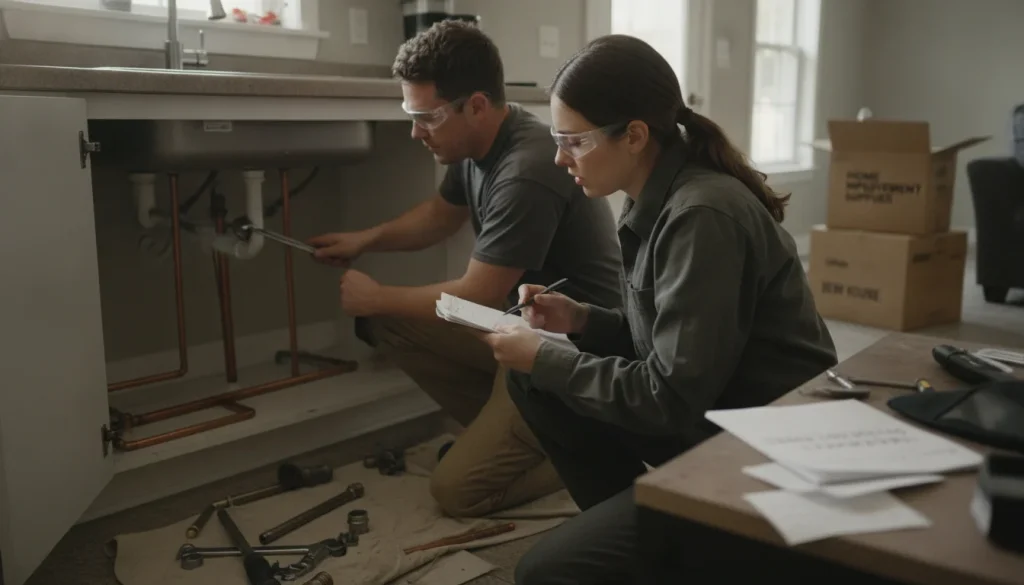
Buying a home is exciting—until a slow tub drain or a surprise drip appears. Here is the direct answer: plumbing repair costs after buying a house vary by the specific issue, pipe age and material, how hard the work is to access, and any code updates that apply. Simple fixes can be quick; hidden damage or code corrections can take more planning. Plumbing Riverside California helps new owners prioritize repairs with clear steps, not guesswork.
Key Takeaways
- Costs depend on the problem, pipe material, access, and code requirements—not a single flat figure.
- Prioritize active leaks, failed shutoffs, slow main drains, and aging water heaters first.
- Use camera and pressure tests to confirm scope before committing to major work.
- DIY basic tasks; leave wall, gas, and vent changes to licensed plumbers.
- Keep permits and records to protect insurance claims and resale value.
Did a drip show up right after you moved in? Or did the tub drain slow to a crawl? Many buyers face a few surprise fixes in the first months. Plumbing Riverside California helps new owners in Riverside, California plan smart repairs.
1. What homeowners usually fix first
Leak detection and pipe repairs. Leak detection pinpoints the source of water loss with acoustic tools or dye tests. Small leaks often come from worn joints, valves, or pinholes. Pipe repairs can be straightforward if access is open; inside walls or slabs, they require more time and planning.
Drain cleaning and sewer line repairs. Drain cleaning clears clogs in sinks, tubs, showers, or main lines. A sewer line carries wastewater to the city main; roots, grease, and aging joints are common causes of blockages. A sewer camera inspection can reveal cracks, bellies, and intrusions before they worsen. In older Riverside neighborhoods like Wood Streets and Arlington, mature trees can contribute to root-related drain repair.
Water heater repair or replacement. A water heater supplies hot water for baths and dishes. Common fixes include elements, thermostats, anode rods, igniters, and relief valves. Tank-style units typically last about 8–12 years; if the tank is near the end of its life, a permitted replacement may be the safer call.
Toilet, faucet, and shutoff valve replacements. A shutoff valve stops water to a fixture. Replacing worn toilets, dripping faucets, and stuck valves is common after move‑in. These swaps improve water use and stop that steady drip. The apparent toilet repair cost is influenced by parts, access, and whether shutoffs or flanges also need attention.
Emergency and after-hours premiums. Night, weekend, or holiday work can carry a premium due to rapid response and extra crew time. If a burst pipe hits, fast help matters.
2. What drives the cost of post-purchase plumbing work
Age and material of pipes (galvanized, copper, PEX). Galvanized steel can corrode internally and restrict flow. Copper is durable but requires proper joints and dielectric separation when mixed with other metals. PEX is flexible and resists scale. Mixed or older systems often need additional fittings and verification testing.
Access, permits, and required code upgrades. Work behind tile, in slabs, or in tight crawl spaces takes more time. Some jobs require permits. Code updates make work safer and current—examples include adding proper venting, thermal expansion tanks on closed systems, and pressure-reducing valves if static pressure exceeds 80 psi (per the Uniform Plumbing Code).
Labor rates, trip charges, and minimums. Professionals set rates based on skill, tools, licensing, and travel. A trip charge covers mobilization. Some tasks have minimum time blocks to make the visit viable.
Hidden issues: roots, corrosion, low pressure. A slow drain can hide root growth or a sagging pipe. Green stains may signal copper corrosion. Low pressure can point to a failing pressure regulator. Expect added steps if tests uncover multiple causes.
Condo/HOA and multi-unit considerations. Shared walls and stacks may limit access times. Rules can require advance notice, special insurance, or licensed contractors only. Coordinate schedules with the HOA to avoid delays.
3. Buyer checklist: inspections, budgeting, and planning your first year
How to read inspection and sewer camera reports. Look for notes on water pressure, main shutoff location, fixture leaks, and water heater manufacture date. A sewer camera report should document pipe material, joints, root intrusions, cracks, bellies, and any standing water in the line.
Set a first-year reserve (1–3% of purchase price). A small reserve cushions unknowns. Start with one to three percent of the purchase price and apply it to priority fixes first, such as active leaks, unsafe venting, or a failing pressure regulator. In Riverside’s older homes, budgeting for potential galvanized-to-copper transitions is prudent.
Home warranty vs. licensed plumber: what’s covered. Warranties often cover certain components but may exclude access, code upgrades, or pre-existing conditions. A licensed plumber can diagnose, pull permits, and complete code-required work. Compare response times, scope, and terms before choosing a path.
When a second opinion or pressure test is worth it. If a proposal seems large, seek a second opinion. A pressure test helps detect hidden leaks without opening walls. This confirms scope before work starts and helps you plan plumbing costs without surprises.
Mention services that fit your plan. Emergency Plumbing is there when a pipe bursts at 10 pm. Kitchen Plumbing can sort supply and drain issues under sinks. Gas Line Plumbing requires a licensed pro for safety and code compliance. Radiator Repairs and Garbage Disposal Repair address system-specific faults. Water Heater Repair and Sink Repair are common first-year needs for many buyers.
4. DIY or call a pro? Safe tasks vs. projects to leave to licensed plumbers
Quick wins: clogs, aerators, flappers, and supply lines. Many owners can clear simple clogs with a plunger or a hand auger. Faucet aerators unscrew for cleaning. A toilet flapper swap stops running water. Replacing a flexible supply line is manageable if valves operate and threads are sound.
Jobs that risk leaks, mold, or code violations. Opening walls, cutting and joining pipe, moving gas lines, or altering vents can go wrong quickly. A small miss can lead to leaks, mold, and major repairs. Leave these tasks to licensed plumbers.
Safety, insurance, and resale disclosure implications. Work done without permits can affect insurance claims and appraisals. Keep receipts and permit records. Clear documentation helps protect value when you sell.
Conclusion. Most post-purchase fixes are manageable with a plan. Triage active leaks first, then schedule drain cleaning or water heater care. Build a reserve and document every step. Plumbing Riverside California can guide next steps so you spend where it matters across neighborhoods from Canyon Crest to La Sierra.
Key takeaways
- Prioritize active leaks, failed shutoffs, and main drain issues.
- Pipe age, access, and code needs shape repair scope and timing.
- Confirm scope with camera and pressure tests before big projects.
- DIY simple maintenance; hire pros for anything behind walls or involving gas.
- Keep permits and records to support insurance and resale.
Frequently Asked Questions
What should I fix first after closing if I find plumbing issues?
Start with anything leaking or unsafe. Shut off water to the affected area, then address active leaks, failed shutoff valves, and clogged main drains. Next, plan water heater service and inspect exposed pipes. Document each step and keep receipts for your records.
How can I predict plumbing repair costs in an older home?
Focus on system age, pipe material, and access. Galvanized or mixed piping often requires more work. Camera the sewer line and perform a pressure test to spot hidden issues. Local codes and permits can add steps. Get a written scope from a licensed plumber before work begins.
Is a home warranty worth it for plumbing after I buy?
It depends on coverage limits and exclusions. Warranties may cover select components but often exclude code upgrades and access. A licensed plumber can provide a full diagnosis and permitted repair. Compare response times, scope, and terms before choosing a path.
Plumbing Riverside California serves homes and nearby areas with licensed help and clear advice. For fast scheduling and options that fit your plan, Contact us.