Plumbing Mistakes can turn a small leak, clog, or warning sign into serious damage. In Riverside, act quickly when water is escaping, but avoid risky fixes that could make the problem worse. Stop the water if it is safe, keep clear of hazards, and seek help for problems you cannot safely manage.
A small drip may seem easy to ignore. A toilet that keeps running may sound harmless. But water can damage floors, walls, and belongings before the problem looks severe. In Riverside, California, knowing the signs and taking calm, safe steps can help limit harm. Plumbing Riverside California helps residents understand when a plumbing issue needs prompt attention.
Table of Contents
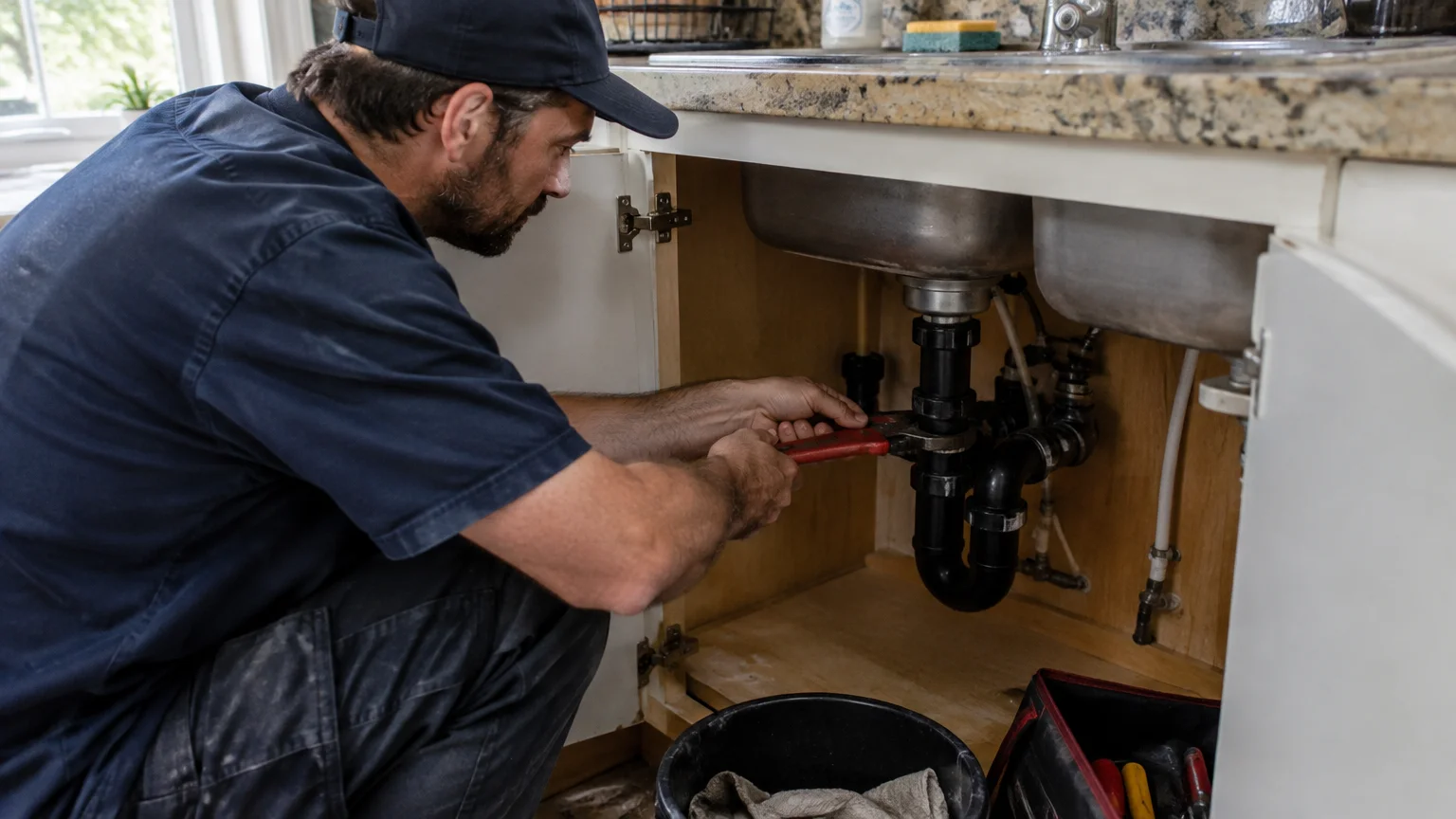
- Which plumbing mistakes can lead to major damage?
- What should you do when a pipe bursts?
- Why is ignoring a small leak a costly mistake?
- What should you avoid doing when a drain is blocked?
- How can an overflowing toilet cause preventable damage?
- Why should you never ignore a water heater warning sign?
- How can DIY plumbing repairs make an emergency worse?
- What plumbing warning signs should homeowners watch for?
- When should you call an emergency plumber?
- How can you reduce the risk of future plumbing emergencies?
- Frequently Asked Questions
Which plumbing mistakes can lead to major damage?
Ignoring a leak, forcing a clog, or delaying help during a burst pipe can cause major damage. Water may spread through floors, walls, and cabinets before you see it. Acting early can limit water damage and help a plumber find the source.
How small problems can become urgent repairs
A loose fitting may drip slowly, while water gathers in a hidden spot. A running toilet can waste water and may have a worn part inside its tank. A drain that slows again and again may have a blockage farther down the line. These signs are easy to miss until water appears somewhere new or a fixture stops working.
Some Plumbing Mistakes happen when people treat only the visible sign. Clearing a sink over and over, for example, may not solve the reason it keeps clogging. A quick patch can also fail when a pipe is cracked or a fitting is under strain. A short-term fix should not hide a problem that needs a proper repair.
Why early warning signs matter
Water can harm drywall, wood, flooring, and stored items. Wet materials may also grow mold if they stay damp. Finding a leak or overflow early gives you more time to stop the water and check the area. Do not wait for a ceiling stain or a spreading puddle before taking a warning sign seriously.
Homeowners in Riverside, California can note when a problem began and what changed. That record can help a licensed plumber understand what is happening. When water is escaping, a drain backs up into the home, or a fixture creates a safety risk, get help. Repeated trial-and-error repairs can make the problem worse.
What should you do when a pipe bursts?
When a pipe bursts, stop the water if it is safe, keep people away from wet electrical areas, and protect nearby belongings. Then arrange professional help. Do not touch electrical equipment or enter standing water if there may be an electrical hazard.
How to shut off the water supply safely
If one fixture is leaking, its shutoff valve may stop the flow. Turn it gently and do not force a stuck or damaged valve. If that does not work, use the home’s main water shutoff only if you can reach it safely and know how it works. Tenants should contact the landlord or property manager as soon as possible.
A shutoff valve controls water flow to one fixture or a building. Knowing where the main valve is before an emergency can save time. If the valve is hard to reach, covered, or unsafe, step back and ask for help. Do not use tools that could break the valve or cause another leak.
What to move, protect, and document
After stopping the water, move dry items away from the wet area if it is safe. Keep children and pets away. Take photos of visible damage for the property owner or insurance records, but do not delay safety steps to document the scene. Stay clear if water is near outlets, appliances, or a breaker panel, and seek qualified help.
For a burst pipe, note where water appeared, when it started, and whether shutting off the water changed the flow. Share those details when you request service. Do not cover a wet wall or floor with plastic and assume the problem is solved. Hidden moisture may remain. Emergency Plumbing and Leaks & Burst Pipes can help when a pipe has failed or water keeps escaping.
Why is ignoring a small leak a costly mistake?
A small leak can harm hidden parts of a home, even when the drip looks minor. Water may travel behind a wall, under a floor, or inside a cabinet. Finding and stopping the source early can keep a small repair from becoming a larger property problem.
Where hidden leaks commonly occur
Leaks often form around sink traps, faucet connections, toilet bases, appliance hoses, and pipe joints. A water heater or supply line may also leak where the connection is hard to see. Check under sinks and around fixtures as part of regular cleaning. Look for damp items, stains, or water that returns after drying.
A leak may also be inside a wall or below a floor. These spots can be hard to check without the right tools. Do not cut into a wall just because a stain appears nearby. Water can travel from its source, so the wet spot may not show where the pipe has failed.
Signs of water damage behind walls and under floors
Watch for bubbling paint, a growing ceiling stain, soft flooring, or a musty smell that stays. A sudden change in water pressure can have several causes, such as a leak, a partly closed valve, or a supply issue. One sign alone does not prove there is a hidden leak, but several changes together need attention.
If a leak is active, stop the water if safe and protect nearby belongings. Do not seal a damp area before finding the source and drying the material. Plumbing Riverside California can help Riverside property owners assess urgent leaks and decide what needs attention. A dry-looking surface does not always mean the hidden area is dry.
What should you avoid doing when a drain is blocked?
Do not keep pouring chemical drain cleaner into a blocked drain, and never mix cleaning products. Repeated use can harm some pipes or leave dangerous liquid in the drain. If a clog returns or affects more than one fixture, stop trying quick fixes and seek help.
Why repeated chemical drain cleaner use can cause problems
Chemical cleaners can splash onto skin or eyes and may create harmful fumes. They can also stay in a clogged pipe, creating a hazard for anyone who later opens or clears it. Never mix drain products with bleach, ammonia, or another cleaner. Follow the product safety directions and keep children and pets away from treated areas.
A plunger can be a safe first step for a simple, reachable clog when used with care. Use the right plunger for the fixture and avoid pushing so hard that you damage a weak seal. Do not push a wire or tool deep into a drain unless it is made for that job. It could scratch a pipe, get stuck, or push the clog farther in.
When a recurring clog may signal a larger blockage
A clog that keeps returning may come from buildup or a blockage beyond the fixture. Slow drains in several rooms, water backing up in another fixture, or sewage odors may point to a larger drain problem. Stop using affected fixtures if wastewater comes back into the home.
A sink that clogs again is different from a sudden backup across several drains. The pattern can help show how urgent the issue is. Sink Repair may help with a local sink problem, while a wider backup needs a plumber to check the drain system. Do not flush or pour more water into a drain that is already backing up.
How can an overflowing toilet cause preventable damage?
An overflowing toilet can spread dirty water across floors and into nearby rooms. Stop the flow if it is safe, keep people away from the water, and do not flush again. Call for help if the water will not stop or the blockage keeps coming back.
What to do before water reaches nearby flooring
Remove the tank lid carefully if it is safe and easy to reach. If the water is still rising, lift the float or gently close the toilet’s shutoff valve. The float is the part inside the tank that rises with the water. Do not force a stiff valve or reach into water near electrical equipment.
Do not flush again to see whether the toilet has cleared. Use a toilet plunger only when the bowl is not about to spill and the blockage seems simple. Keep towels and cleaning items nearby, but do not let anyone walk through dirty water. Tenants should tell the property manager promptly, especially if water has reached another room or unit.
When a toilet blockage needs professional attention
A toilet that keeps backing up, overflows when another fixture runs, or affects several drains may have a problem beyond the bowl. Sewage odors, wastewater coming back through a drain, or water that will not stop also need quick attention. Toilet Repair can address common toilet faults, but a wider drain issue needs a broader check.
After the immediate problem is under control, clean affected hard surfaces with products made for that use. Follow the label and let fresh air into the room. Keep children and pets away until the area is clean and dry. Do not treat sewage water like ordinary clean water.
Why should you never ignore a water heater warning sign?
A water heater that leaks, makes new noises, changes water temperature, or produces unusual water needs attention. Shut off the unit only if its controls are clear and safe to use. If you smell gas, leave the area and call for help from a safe place.
Changes in temperature, noise, or water quality
Water that suddenly turns cold, becomes too hot, or changes color may point to a unit or plumbing problem. New popping, banging, or rumbling sounds also need a check. A sound alone does not show the exact cause, so do not open the unit or change settings you do not know.
If the water heater leaks from the bottom, water may come from the tank or a nearby connection. Do not assume that tightening a fitting will fix it. Keep clear of hot water and wet electrical parts. If water is still leaking, turn off the unit’s water supply only when the valve is easy to identify and safe to reach.
When a leak or unusual odor requires urgent action
A strong gas odor is an emergency. Do not use flames, operate switches, or try to test for a gas leak yourself. Leave the building, warn others as you exit, and call 911 or the gas utility from a safe place. Do not return until emergency responders say it is safe.
If there is no gas smell but the heater is leaking or failing, arrange a prompt check. Water Heater Installation may be needed if the unit cannot be repaired safely, but a qualified professional should check the cause first. Never touch a wet heater or nearby electrical controls.
How can DIY plumbing repairs make an emergency worse?
Homeowners can do simple checks and routine care, but not every repair is safe as a DIY job. The wrong tool, part, or seal can make a leak worse. Work involving gas, hidden pipes, sewage, electrical hazards, or major water flow should be left to qualified professionals.
Common risks of using the wrong tools or parts
A tool that is too large can damage a fitting. Too much force can crack old pipes or strip a valve. Parts that look alike may not fit the same fixture or water line. A patch may hide a leak without stopping it, letting water spread behind a surface.
Some basic upkeep is safe to do yourself. You can look under sinks, clean a faucet aerator, remove hair from a visible drain cover, or gently use a plunger for a simple clog. An aerator is the small screen at the end of a faucet that shapes the water flow. Stop if a part is stuck, breaks, or starts leaking.
How to tell when a repair is beyond a safe DIY fix
Do not attempt repairs when water is near electrical equipment, a pipe is leaking inside a wall, sewage is backing up, or you smell gas. A burst line, repeated toilet overflow, or water heater leak may also need professional tools and training. If the shutoff does not work, do not keep forcing it.
Before a small task, know how to stop the water and read the fixture’s instructions. If the repair does not help right away, stop and think again instead of adding more parts or chemicals. A safe DIY check does not require guessing, force, or contact with a hazard.
What plumbing warning signs should homeowners watch for?
Watch for new wet spots, unusual smells, changing pressure, repeat clogs, and sounds that were not there before. These signs do not always mean an emergency, but a sudden or worsening change should not be ignored. Note what changed and where it happens.
Unexplained changes in water pressure or water bills
Low water pressure in a house can have several causes. A partly closed valve, a clogged faucet screen, a leak, or a supply issue may affect the flow. Check whether the change affects one faucet or the whole property. Cleaning an aerator is a safe step when it comes off easily, but a change across the home needs more checking.
A water bill that rises without a clear reason may also be a clue. Check toilets for ongoing flow and look for wet spots near visible pipes. Do not assume there is a hidden leak until the cause is checked. A running toilet may have a worn flapper or another tank part. If simple checks do not stop it, Toilet Repair may help.
Damp spots, sewage odors, and unusual pipe sounds
Damp cabinets, peeling paint, soft flooring, or stains that return can point to water where it should not be. A sewage smell, gurgling drain, or repeated banging from pipes also needs attention. Note when the sound or odor happens and which fixtures are in use.
A water leak is not the only reason for low pressure, and a pipe noise does not prove a fault by itself. Look for patterns instead of guessing. If several warning signs happen together, arrange a check. Riverside residents looking for local plumbing help should choose a qualified provider who handles the type of urgent problem they have.
When should you call an emergency plumber?
Call an emergency plumber when water cannot be stopped, sewage enters the home, a pipe bursts, or an active leak threatens people or property. Leave an area that smells of gas and contact emergency responders or the gas utility from a safe place. Do not wait for the problem to become more visible.
Situations that need immediate professional help
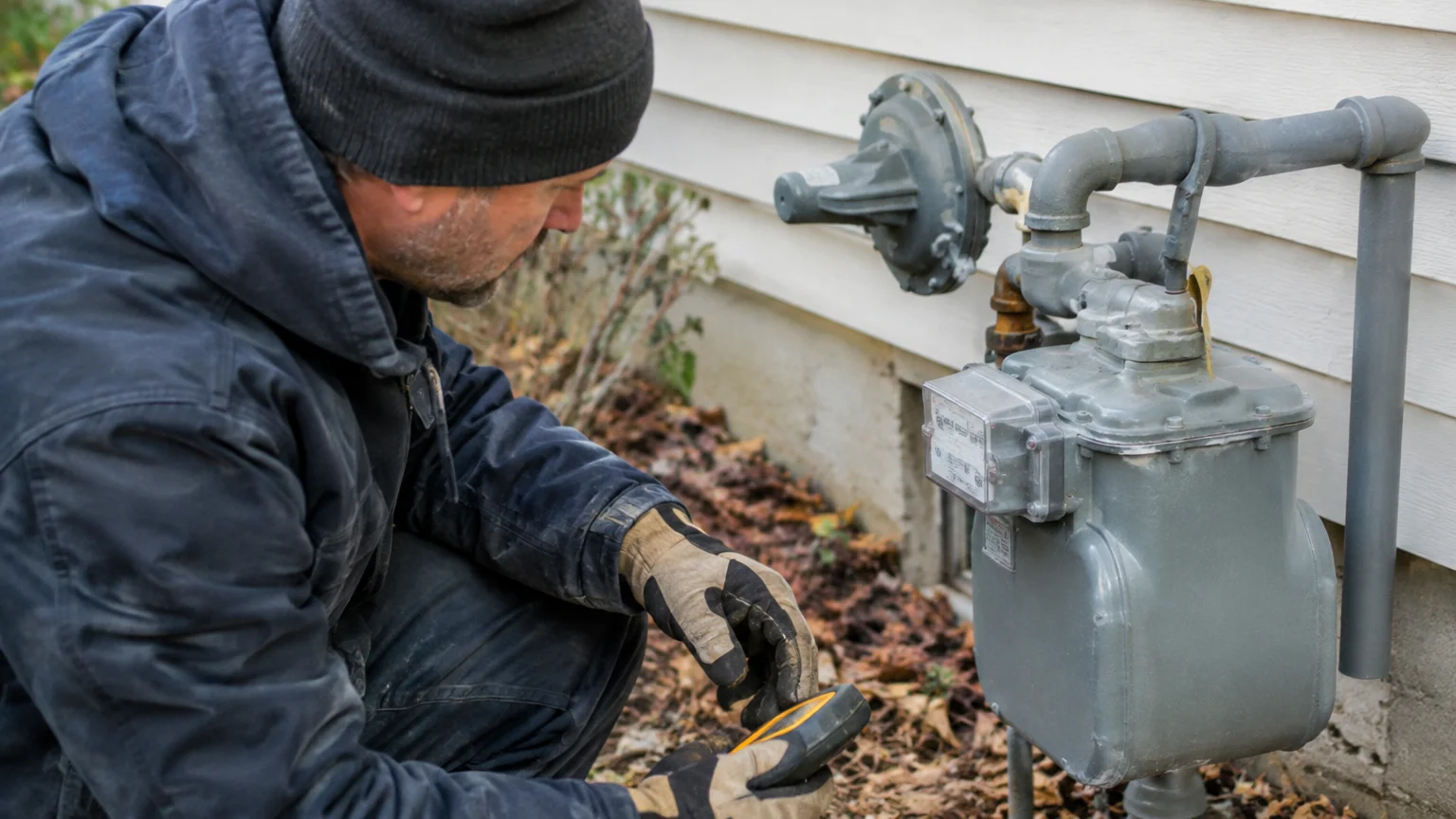
A burst pipe, a fast-growing leak, water near electrical equipment, or a toilet that keeps overflowing needs quick attention. A drain backup affecting several fixtures may also need urgent service. If a water heater leaks heavily or there is a strong gas odor, do not try to repair or restart it yourself.
A small drip into a bowl may be less urgent than water spreading across a room, but it still needs follow-up. Ask whether the water can be stopped safely and whether people, belongings, or the building remain at risk. Emergency Plumbing can help with urgent leaks, clogs, and other sudden plumbing failures.
What details to share when requesting urgent service
Tell the service provider what happened, when it began, which fixtures are affected, and whether the water has been shut off. Mention sewage, a gas odor, electrical concerns, or water damage. Say whether the issue is getting worse and whether anyone may be at risk.
Keep the area clear and follow any safety guidance you receive. Do not restart a water heater or use a fixture that is backing up. Plumbing Riverside California serves Riverside, from Downtown and Magnolia Center to Arlington, La Sierra, Canyon Crest, Orangecrest, and nearby neighborhoods. Share the details of the problem so the provider can help you understand the next step.
How can you reduce the risk of future plumbing emergencies?
Regular checks can help find leaks, worn parts, and unsafe shutoff valves before they fail. Keep drains clear of things they are not made to carry, and act when a fixture changes. Property owners and tenants should know how to report a leak quickly.
Routine checks for fixtures, pipes, and shutoff valves
Look under sinks, around toilets, and near the water heater for dampness or stains. Check visible hoses and connections for wear. Test shutoff valves with care, and do not force one that sticks or leaks. Keep the path to the main water shutoff clear, and make sure people in the home know where it is.
Use strainers to catch hair and food scraps, and keep grease and wipes out of drains. Fix a running toilet instead of letting it continue. Clean faucet aerators when water flow changes at one tap. These simple steps do not replace professional checks, but they can help catch common issues early.
What property owners and tenants should document
Property owners can keep notes about repairs, repeat clogs, and appliance concerns. Tenants should report leaks, odors, and water damage to the landlord or property manager as soon as they notice them. Photos and notes can show when a problem began and whether it changed over time.
For homes and businesses across Riverside, clear records can help the right person respond sooner. Do not hide a stain or cover a damp area before someone checks the source. Prevention works best when small warning signs lead to a clear next step.
Frequently Asked Questions
What causes low water pressure in a house?
Low pressure can come from a partly closed valve, a clogged faucet aerator, a leak, or a water supply issue. Check whether one fixture or several are affected. If pressure changes suddenly across the home, or you see damp spots, arrange a professional check instead of guessing.
How can someone check for a gas leak?
Do not try to test a suspected gas leak yourself. If there is a strong gas odor, leave the building, avoid flames and switches, and call 911 or the gas utility from a safe place. Do not go back inside until emergency responders say it is safe.
What should someone do if a water heater is leaking from the bottom?
Keep away from hot water and wet electrical parts. If the water supply shutoff is easy to identify and safe to reach, turn it off without forcing it. Do not open the unit or try to patch the tank. Arrange prompt help to learn whether the leak comes from a connection or the heater itself.
How can someone fix a toilet that keeps running?
A toilet that keeps running may have a worn flapper, a float set too high, or another problem inside the tank. A homeowner can look inside if the lid lifts easily and the parts are clear. If water keeps running after a simple adjustment, stop and arrange toilet repair.
When is a blocked drain an emergency?
A blocked drain needs urgent attention when wastewater backs up into the home, several fixtures stop draining, or water threatens floors and belongings. Stop using affected fixtures and keep people away from wastewater. Do not add more chemical cleaner, especially if you do not know what product is already in the drain.
Key takeaways
- Stop water only when the shutoff is safe and easy to reach.
- Treat gas odors, sewage backups, and water near electricity as hazards.
- Avoid repeated chemical drain cleaner use and risky repair attempts.
- Watch for recurring clogs, damp spots, changing pressure, and running toilets.
- Contact a qualified plumber when a problem is active, spreading, or beyond safe home checks.
Conclusion
Plumbing Mistakes often begin when someone ignores a warning sign or tries a risky repair without knowing the cause. Homeowners can safely check visible fixtures, clean simple parts, and use a plunger for an easy clog. Active leaks, burst pipes, sewage backups, gas odors, and unsafe water heater problems need a careful response.
When urgent plumbing trouble needs professional attention, Contact us to reach Plumbing Riverside California for help.
If you are not sure what you are dealing with, it is worth having someone look at it before it turns into a bigger job. Get in touch with Plumbing Riverside California in Riverside, California today and we will tell you where you stand.