The cost to replace a toilet depends on the fixture, the work, and the plumbing around it. Replacing a similar toilet in the same spot is often a simpler job than changing the layout or fixing damage. A plumber can review the work and confirm the final cost in a written quote.
In Riverside, California, the right toilet depends on the property and how people use it. A home may need a simple replacement, while a business may need a fixture built for frequent use. Plumbing Riverside California can help property owners understand the work and compare suitable options.
Table of Contents
- What determines the cost to replace a toilet?
- What does a standard toilet replacement include?
- How do toilet type and features affect replacement costs?
- What additional plumbing work can increase the cost?
- How does a commercial toilet replacement differ from a residential job?
- When is repairing a toilet more practical than replacing it?
- How can you compare plumber quotes for toilet replacement?
- What should you look for when hiring a plumber?
- How can you prepare for a toilet replacement?
- What should you confirm before approving the work?
What determines the cost to replace a toilet?
The total depends on the toilet, the work, and the condition of nearby plumbing. Replacing a similar fixture in the same place is often simpler than changing toilet types or fixing damage. The plumber confirms the final cost on a written quote after reviewing the job.
The toilet itself is one part of the cost. A common two-piece model may take less work to fit than a wall-hung or specialty toilet. Its size, bowl shape, flush system, and included parts can also affect the job. The replacement must fit the room and plumbing, not only look like the old one.
The work area matters as well. A small bathroom, stairs, or hard-to-reach space can affect how the plumber moves the fixture. Work at a busy business may also need careful timing. The job may include removing the old toilet, protecting nearby surfaces, and checking the connections before installation.
Hidden trouble can change the work. A damaged floor flange, leaking shutoff valve, or worn supply line may need repair first. The flange is the fitting that joins the toilet to the drain pipe and helps hold it to the floor. If it is damaged, a new toilet may still leak or move.
Ask for a written quote that explains the work, parts, removal, and disposal. It should also say how the plumber will handle problems found after removing the old fixture. Plumbing Riverside California can talk through these details with customers in Riverside before they approve the work.
A toilet replacement is not the same as a water heater replacement. The parts, space, and work needed are different. For either job, the final cost depends on the work found at the property and is confirmed on a quote.
What does a standard toilet replacement include?
A standard replacement usually includes removing the old toilet, preparing the connection, fitting the new fixture, and testing it. The exact work depends on the plumbing and what the written quote covers.
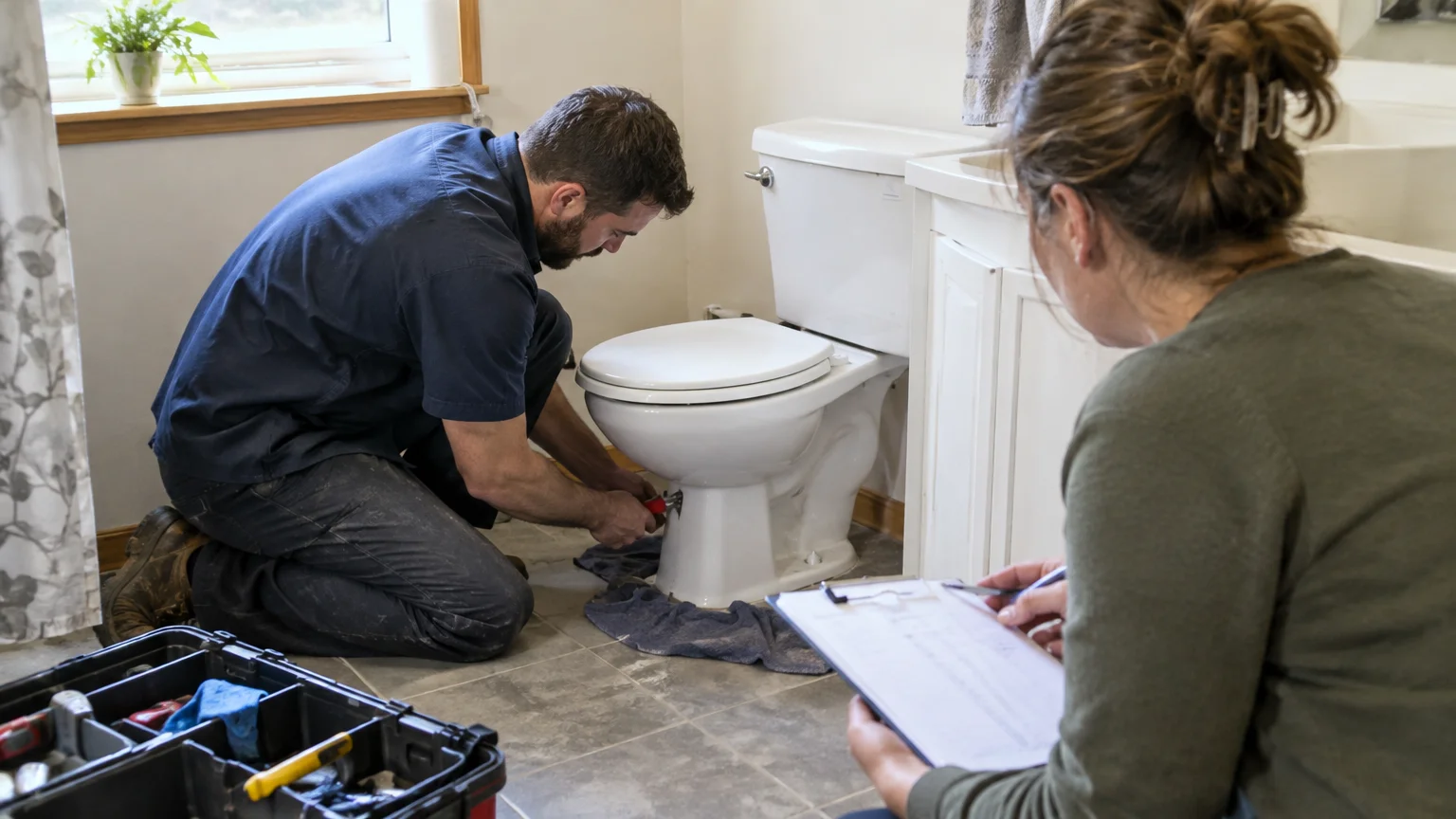
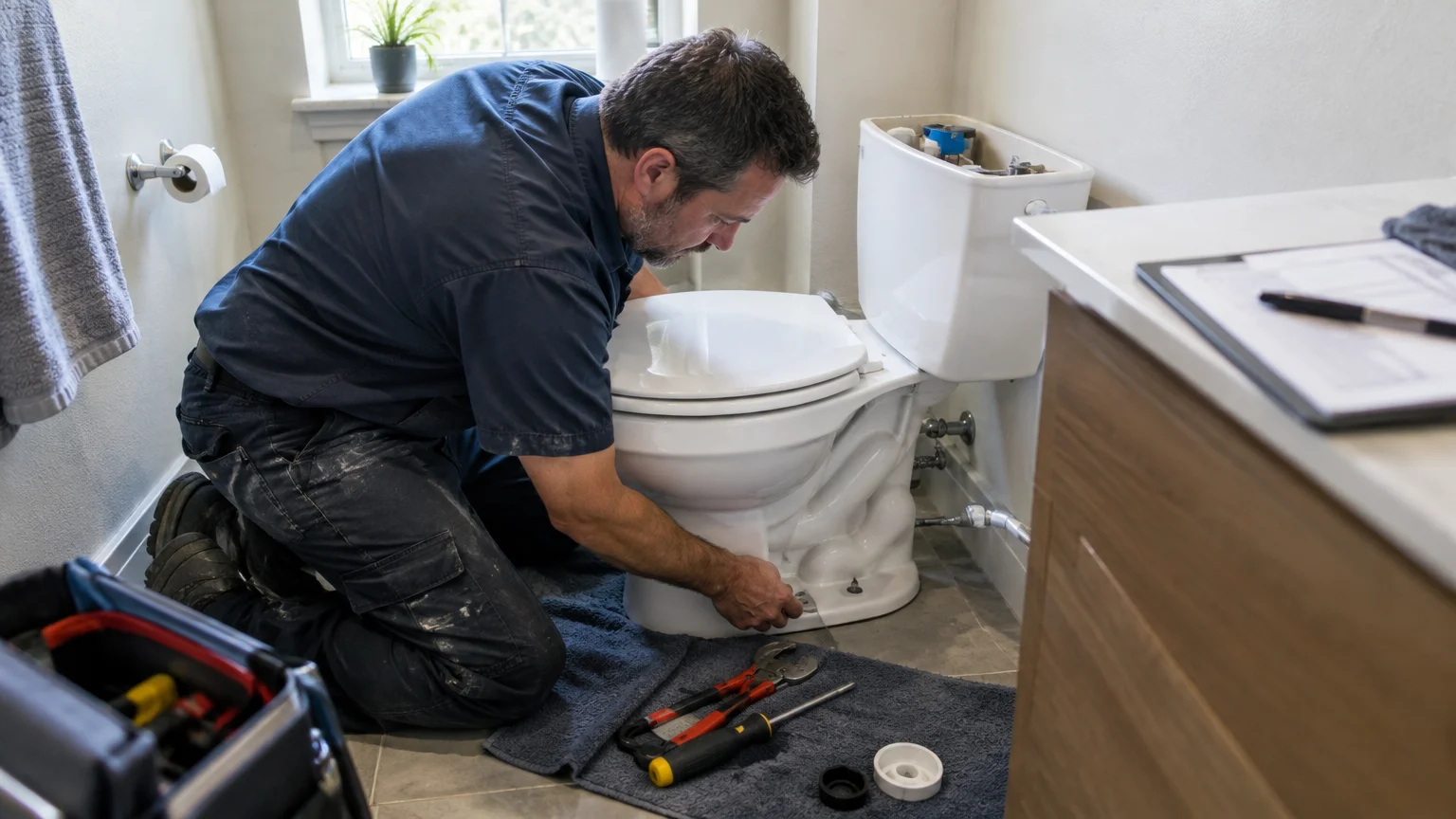
First, the plumber shuts off the water and empties the toilet. The old fixture is then disconnected and taken out. With the toilet removed, the plumber can check the drain connection and nearby floor for clear signs of damage. If extra work is needed, the customer should hear about it before it begins.
Next, the plumber prepares the base and connection. A new seal is usually placed between the toilet and drain opening. The toilet is set in place and secured. Then the water line is connected, and the plumber checks that the tank fills and the toilet flushes as expected.
A complete job should include a check for leaks at the base and water connection. The plumber should explain any limits, such as damage that was hidden before removal. The quote should also say whether it includes taking away the old toilet. Do not assume disposal is included if it is not listed.
Before work starts, confirm who supplies the toilet. Ask whether the seat, bolts, water line, and other parts are included. These details help avoid confusion on the day of the job. Also ask whether cleanup is included and what happens if a valve will not close or the flange needs repair.
How do toilet type and features affect replacement costs?
The toilet type affects the fixture choice and the work needed to install it. Replacing a similar model is often simpler than switching to a different design. A new style may need different connections or changes to the wall or floor.
A two-piece toilet has a separate tank and bowl. A one-piece toilet has both parts joined together. The right choice depends on the room, the plumbing, and how the fixture can be moved into place. A wall-hung toilet attaches to a frame inside the wall. Replacing one may require work on that frame and its connections, so it may not be a direct swap for a floor toilet.
Flush systems and bowl shapes also affect fit. Some toilets use different parts or need a certain type of connection. A round bowl may suit a small room, while an elongated bowl gives more sitting space. The room layout and the drain’s position help show which models will fit.
Access needs can guide the choice, too. A household may want a seat that is easier to use. A business may need a toilet that fits its restroom layout and daily use. A plumber can explain which models work with the plumbing and the needs of the people using the space.
Before choosing a toilet, check its size, water connection, drain position, and included parts. A similar look does not mean the new model will fit. A plumber can check the space and installation needs before you order the fixture. This can help prevent delays or changes during the job.
What additional plumbing work can increase the cost?
Extra work may be needed if the plumber finds damage or worn parts near the toilet. A new fixture will not fix a leak caused by a bad connection, weak floor, or other plumbing problem.
The flange may be cracked, loose, or set at the wrong height. It connects the toilet to the drain and helps keep it in place, so it must be in good shape. The shutoff valve may also be stuck, rusty, or unable to stop the water. A worn supply line may leak or fail to fit the new toilet.
Water near the toilet base needs attention. It may come from a worn seal, but it can also point to a cracked toilet or damaged floor. If water has reached the subfloor, more work may be needed. The subfloor is the layer under the finished floor. Damage there can stop the toilet from sitting firmly.
Old or unusual connections may need changes so the new toilet will fit. Ask the plumber why each added task is needed and whether it was part of the first quote. When possible, ask to see the problem. Request an updated written quote before approving extra work.
A toilet that keeps running may only need a small repair. The problem may be a worn flapper or a fill valve that does not shut off. A flapper is the seal at the bottom of the tank. The fill valve controls water flowing into the tank. If the toilet is in good shape, Toilet Repair may solve the problem without replacing the whole fixture.
The toilet repair cost depends on the faulty part and the work needed. A simple part change is often less involved than replacing the whole toilet. A repair may take more work if a valve is hard to reach or another part is damaged. Ask for a quote that explains the repair before deciding.
How does a commercial toilet replacement differ from a residential job?
A commercial toilet replacement may need more planning because many people use the restroom. The plumber must consider the fixture, building access, and how the work affects staff, customers, tenants, or visitors.
A busy restroom may need a toilet made for frequent use and simple care. The right model also depends on the drain, water line, room layout, and building needs. Owners and managers should discuss these details with a qualified plumber before buying a replacement.
Timing and access matter, too. A business may need to keep another restroom open, tell staff about a short closure, or plan the work for a quieter time. The plumber should know about building rules, entry steps, and any limits on when work can happen.
If a property has several restrooms, the owner should explain which ones need to stay open. A clear plan can help the plumber limit disruption. It also helps the business decide whether to replace one toilet at a time or plan more than one job together.
Business owners should ask what the quote includes and how the work area will be kept safe. They should also ask how the finished toilet will be tested, who removes the old fixture, and how extra work will be approved. Plumbing Riverside California can discuss the needs of homes and businesses in Riverside before work starts.
When is repairing a toilet more practical than replacing it?
Repair is often the better choice when the toilet is steady, has no cracks, and needs a replaceable part. Replacement may make more sense if the fixture is damaged, keeps breaking, or no longer suits the property.
A homeowner can safely check a few simple things. Look inside the tank to see if the chain is caught. Check whether the flapper rests flat after a flush. You can also clean visible mineral buildup from removable parts, if the maker’s instructions allow it. Do not take apart plumbing or force a stuck valve.
A running toilet may need a new flapper or fill valve. To repair a toilet fill valve, turn off the water first and use a part that fits the toilet. A toilet bowl fill valve repair may help when the tank does not refill or stops at the wrong level. If the valve is hard to reach, the shutoff does not work, or the problem remains, ask a plumber to check it.
A toilet repair flapper may be enough when water slowly moves from the tank into the bowl. If you replace a flapper, choose one that fits and follow the maker’s directions. Repair toilet inlet valve problems only if you can safely shut off the water and know which part fits. A fill valve toilet repair is not a good do-it-yourself job if the tank or water line is cracked or leaking.
Replacement may be the right choice if the bowl or tank is cracked. It may also make sense if the toilet rocks because the base is damaged, or if leaks return after repairs. Repeated clogs, poor fit, or a toilet that does not work for its users can also support replacement. A plumber can explain the repair and replacement work so you can compare the options.
If a toilet is not flushing, check for a loose chain or a low tank before taking anything apart. These simple checks may reveal an easy fix. Stop and get help if the toilet leaks, the shutoff valve will not work, or the cause is not clear. DIY toilet repair should stay within safe checks and simple upkeep.
How can you compare plumber quotes for toilet replacement?
Compare quotes by checking that each one covers the same work and parts. A quote may leave out disposal, connection parts, or repairs that another one includes. The final cost should be confirmed in a written quote before you approve the work.
Check whether the quote names the toilet model or says who will supply it. It should explain removal, installation, seals or fittings, testing, and disposal. If the plumber has not seen the flange or floor, the quote should explain how that unknown will be handled after removal.
Ask whether repairs to the shutoff valve, supply line, or flange are included. If they are not, ask how the plumber will explain added work and get your approval. This helps you decide what to do if damage appears after the old toilet is removed.
Quotes are easier to compare when they cover the same fixture and job conditions. One may include the toilet, while another covers installation only. Check the included work instead of looking only at the final amount. Ask whether cleanup, leak checks, and a flush test are included.
Keep the written quote and any changes with your property records. This can help landlords, managers, and business owners track work over time. If a detail is not clear, ask for a plain answer before you approve the job. A reliable plumber should explain the work without pressuring you.
What should you look for when hiring a plumber?
Choose a plumber whose license, insurance, and experience fit the job and local rules. Requirements can differ by state and city. Check with the right licensing office instead of assuming the same rules apply everywhere.
Ask whether the plumber has done similar toilet replacements. A wall-hung toilet, a commercial restroom, or unusual plumbing may need more experience than a simple swap. The plumber should explain what they will check and why the chosen toilet fits the room.
Clear communication matters. The plumber should explain the planned work, likely limits, and how they will ask before doing added repairs. Clear answers help you understand what the quote covers. Do not approve work if the scope or next steps are still unclear.
Check that the written paperwork names the business and explains the work. Ask what work assurances apply and how to raise a concern afterward. Read the terms instead of relying on broad promises. Keep a copy of the quote, approvals, and product details.
For a rental or business, confirm who can approve changes and arrange access. The owner, tenant, manager, or building contact may each have a role. Plumbing Riverside California can explain its process to customers who are planning toilet work in Riverside.
How can you prepare for a toilet replacement?
Clear the area around the toilet and tell the plumber about known leaks or past repairs. Simple steps can keep the work area clear and help the plumber plan for the property.
Move personal items, floor mats, and stored supplies away from the toilet. Keep children and pets out of the work area. If the bathroom has a narrow doorway or stairs, mention this before the visit. The plumber can then plan how to move the old and new fixtures safely.
Share any known trouble, such as a slow leak, stuck shutoff valve, rocking toilet, or water damage near the base. Tell the plumber if the toilet has needed repairs before or if the building has an unusual drain. These details may help the plumber plan the check and explain possible changes to the work.
For a rental, plan access with the tenant and property manager. For a business, tell staff or customers if the restroom will be closed. Point out another restroom if one is available. A manager should check building rules and explain how the plumber can enter.
Confirm who will supply the toilet and whether it will be ready before the visit. Check that the model fits the room and plumbing. If there is an active leak or the water will not shut off, tell the plumber when arranging the work so it can be handled safely.
What should you confirm before approving the work?
Before work begins, confirm the written scope, the toilet and parts included, and how hidden damage will be handled. Before the plumber leaves, check that the toilet flushes, the connections do not leak, and the area is clean.
The quote should list the planned removal and installation work. It should also say whether the plumber supplies the toilet, takes away the old one, and replaces connection parts. If a repair may be needed after removal, ask how the plumber will explain it and get your approval before doing extra work.
After installation, the toilet should sit firmly and not rock. The plumber should check the water connection and base for leaks. They should also test the flush and tank refill. Ask the plumber to explain any changes and show you where the shutoff valve is.
If water appears at the base or water line, tell the plumber before they leave. Do not ignore a toilet that moves, keeps refilling, or does not flush as expected. Ask what to do if a problem appears later. Keep the quote and product papers with your property records.
Key takeaways
- The fixture, work, access, and plumbing condition shape the final quote.
- A standard replacement should include removal, installation, and testing.
- A sound toilet with a worn part may need repair, not replacement.
- Compare quotes by checking parts, disposal, work, and exclusions.
- Confirm the toilet is steady, flushes well, and has no visible leaks.
Frequently Asked Questions
How long does it take to replace a toilet?
The time depends on the toilet, access, and plumbing condition. A simple replacement may take less time than work with a stuck valve, damaged flange, or floor damage. Ask the plumber for a time estimate after they understand the job. Plan for the bathroom to be out of use during the work.
Can a homeowner replace a toilet without a plumber?
A capable homeowner may replace a toilet if the shutoff works, the connections are sound, and the new fixture fits. Stop if the toilet rocks, a connection leaks, or the flange is damaged. A plumber is the safer choice if the water will not shut off or the drain connection is unclear.
Should the shutoff valve be replaced with the toilet?
Not always. A working valve that fully stops the water may not need replacement. If it is stuck, rusty, leaking, or will not close, ask the plumber to explain the repair before installing the toilet. The valve is easier to check while the old fixture is out.
Why does a new toilet leak at the base?
A leak at the base may mean the seal is not set right, the toilet is loose, or the flange is damaged. Water may also come from the tank or water line and run down to the floor. Stop using the toilet if water keeps appearing, and have the source checked.
Is it worth repairing a toilet that keeps running?
Often, yes, if the toilet is otherwise in good shape. A worn flapper or fill valve may keep the tank running, and replacing that part may fix it. If repairs keep failing, the toilet is cracked, or it no longer suits the property, compare repair and replacement work.
Conclusion
Replacing a toilet may be a simple fixture swap or a larger plumbing job. The flange, shutoff valve, water line, and floor can affect the work. A clear written quote helps property owners understand the job, compare plumbers, and approve the right work.
For help reviewing a toilet replacement at your home or business, Contact us to discuss the work with Plumbing Riverside California.
If you are not sure what you are dealing with, it is worth having someone look at it before it turns into a bigger job. Get in touch with Plumbing Riverside California in Riverside, California today and we will tell you where you stand.