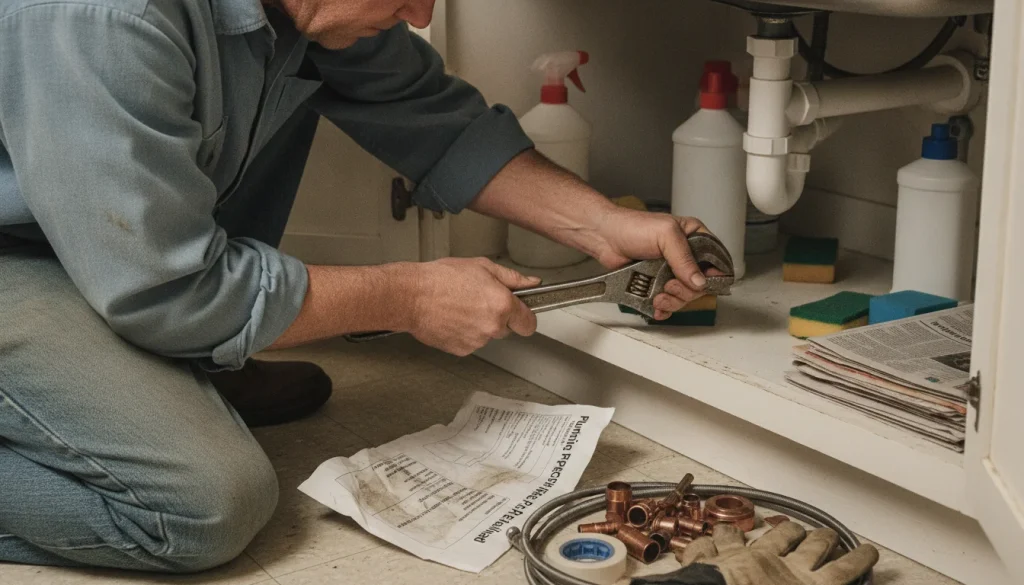
Have plumbing trouble and need a straight answer fast? You are not alone. Many homes in Riverside, California face leaks, clogs, or no hot water at the worst time. Here is the short answer: common plumbing repair costs vary, because final pricing depends on labor, parts, access, timing, and any code requirements. This guide breaks down those drivers in plain terms so you can make a confident plan for your next step.
Executive summary: If you are comparing common plumbing repair costs, start by defining the problem clearly, gathering photos, and asking for a written scope that lists labor, parts, access steps, and potential extras. In Riverside, California, factors like home age, local soil conditions, and building codes can influence timelines and methods just as much as the repair itself. Use the sections below to understand leaks, drains, fixtures, and water heaters, and then follow our quote-comparison checklist to choose with confidence.
Key Takeaways
- Common plumbing repair costs change with labor time, parts availability, access conditions, scheduling, and permit/code needs.
- Good photos, fixture ages, and clear symptoms help plumbers diagnose faster and reduce surprises.
- For drains, camera inspections and hydro jetting may provide longer-lasting results than snaking alone.
- Decide repair vs. replacement by considering age, part availability, recurring failures, and water-use goals.
- Compare written scopes and warranties—not just headline figures—to judge true value.
Table of Contents
- Quick Answer: What Common Repairs Involve
- What Drives Plumbing Costs in the US
- Leak Detection and Repair: From Drips to Slab Leaks
- Blocked Drains and Sewer Line Clearing Costs
- Toilet, Faucet, and Fixture Repairs: Repair or Replace?
- Water Heater Repairs vs. Replacement Costs
- How to Get and Compare Quotes You Can Trust
1. Quick Answer: What Common Repairs Involve

Most homes deal with a few core plumbing issues. These include leaky faucets, running toilets, slow or blocked drains, water heater trouble, and burst pipes. A “common” plumbing repair is work a licensed plumber can complete without major building changes. Examples include clearing a sink trap, replacing a toilet fill valve, or tightening a loose supply line.
While many people want a simple number, real costs shift with each job. The same leak can be straightforward at the sink but complicated inside a wall. Labor time rises when access is tight or parts are behind tile or cabinetry. Emergencies and after-hours scheduling can also change timing and labor requirements. No two jobs match exactly, so quotes differ by scope.
Here is how to plan well. First, describe the problem in clear terms: where it drips, how fast, when it started, and what triggers it. Share the age and brand of fixtures, if known. Take photos of the area, including the shutoff valve. Ask for a written scope that lists labor, parts, and any likely extras, and compare those scopes side by side. Look for permit or code notes if walls, gas lines, or venting are involved. This method gives you a fair picture without guessing at a price you cannot verify.
If water is flowing now, shut off the supply. The main shutoff valve stops water to the entire property. It is usually near the water meter or where the main line enters the building. Turning that valve can limit damage until Emergency Plumbing arrives.
2. What Drives Plumbing Costs in the US
Many elements shape a final bill. The prime drivers are labor, parts, access, and timing. Labor is the diagnostic and repair time a licensed plumber invests to identify and fix your issue. Parts are the items replaced—cartridges, wax rings, valves, gaskets, traps, and lengths of pipe. Access is how easy it is to reach the problem area. A leak under a sink is typically faster to reach than one behind a ceiling, inside a wall, or in a slab. Timing means when the work occurs; urgent after-hours work often requires different scheduling and can change how crews are dispatched.
Property type matters as well. A single-family home can be simpler to access than a multi-story building with shared risers. Older homes may combine several pipe types or include past DIY fixes that add detective work. If a repair touches gas lines, water heaters, or main drains, expect safety checks. Code compliance means the work meets rules set by your state or city. Permits allow specific jobs to start and may be necessary for larger changes like water heater replacement or sewer line work.
There are additional risks that add time. Hidden water damage requires drying and cleanup. Mold adds safety steps and containment. Galvanized steel and polybutylene piping can be brittle; when disturbed, adjacent sections may fail. In those cases, upgrading to modern materials can be the long-term solution.
Parts vary by brand and age. Older faucet cartridges can be hard to source. Special-order parts may require additional trips. For water heaters, an anode rod helps slow tank corrosion. The anode rod is a sacrificial metal core that attracts corrosion so the tank lasts longer. Replacing worn parts promptly can help you avoid larger repairs later.
In short, the total depends on time, access, parts, code requirements, and risk. Share clear details to help your plumber plan well. That clarity saves time on site and can reduce surprises.
3. Leak Detection and Repair: From Drips to Slab Leaks
Water leaks appear in many forms. A slow faucet drip is easy to see. A hidden leak in a wall, ceiling, or slab takes tools to find. Leak detection is the process of pinpointing the source with minimal disruption. Pros use moisture meters, thermal cameras, and acoustic sensors to narrow the wet area before any opening is made.
Diagnostics matter. Tell the plumber when the leak occurs. Is it constant, or only when fixtures run? Note any stains, softened drywall, warped flooring, or musty odors. Photos help. The goal is to cut down guesswork before opening a wall or floor. When needed, a small test hole confirms the wet spot and limits damage.
Supply and drain leaks behave differently. A supply leak is under pressure and can spray or drip even when fixtures are off. A drain leak shows up when water flows from a sink, tub, or toilet. Supply leaks call for quick shutoff at the fixture or the main. Drain leaks often become evident as drips or stains shortly after you run water.
Common fixes use parts like compression fittings, PEX couplers, or new sections of copper or PVC. For a faucet, a new cartridge or O-ring often stops the drip. For toilets, a fresh fill valve or flapper can end a constant run. For slab leaks—leaks in pipes buried in or under the concrete foundation—rerouting a line above the slab may be better than opening the floor. Repairs must protect the structure and meet code.
One more note on water waste. Even small leaks add up. The Environmental Protection Agency reports that household leaks can waste significant water each year, and fixing simple leaks can save many gallons daily (EPA WaterSense). Early action saves water and can reduce damage.
4. Blocked Drains and Sewer Line Clearing Costs
Clogs range from a slow sink to a full sewer backup. A sink, tub, or shower often clears with a hand auger, a flexible cable that breaks up hair and soap buildup. For a toilet, a closet auger reaches past the bend to clear a soft blockage. Snaking uses longer cables to reach deeper into the line when the clog is beyond the trap.
Main line issues tend to show as backups in low-level fixtures, like floor drains or tubs. If several fixtures back up at once, the problem may be in the main sewer. Roots, mineral scale, and grease are common causes. A camera inspection can confirm the cause and identify the pipe material. A camera inspection is a video scope run down the pipe to see inside and find defects or breaks.
Hydro jetting is a cleaning method that uses high-pressure water to scrub the inside of pipes. It can clear heavy grease and root intrusions that snaking may leave behind. Hydro jetting helps restore flow in older lines, but it requires skill and the right access point. After clearing, a follow-up camera pass can confirm results.
To reduce repeat clogs, ask about the root cause. In kitchens, fat, oil, and grease can harden in the line. In baths, hair and soap scum build up. In older clay sewer pipes, root intrusion at joints is common. A lasting plan may include regular drain cleaning, targeted repairs, or a partial line replacement. If storms trigger backups, consider preventive maintenance before the next season. When a backup is active, call Emergency Plumbing for fast help.
For homes in Riverside, California, local soil conditions and mature trees can influence main lines. Share your home’s age and any past sewer work with Plumbing Riverside California so the team can tailor the approach and advise on durable options.
5. Toilet, Faucet, and Fixture Repairs: Repair or Replace?
Toilets, faucets, and valves wear out over time. A running toilet wastes water and raises bills. Common fixes include a new flapper, fill valve, or wax ring. A wax ring is the seal between the toilet base and the drain; if it fails, you may see water at the base or smell sewer gas. For faucets, a new cartridge or seat can stop drips and improve control.
It is wise to weigh repair versus replacement. Replacement makes sense when parts are rare, fixtures are very old, or finishes are worn. New fixtures can improve function and reduce water use. A WaterSense-labeled faucet or showerhead meets EPA efficiency standards and can save water without degrading comfort (EPA WaterSense).
Consider the whole setup. A new faucet may require updated supply lines or shutoff valves. A shutoff valve lets you stop water to one fixture for service. If these are stuck or corroded, plan to replace them during the repair. For toilets, check flange height and floor condition before replacement. A broken flange or uneven floor needs a small fix to achieve a proper seal.
For tubs and showers, mixing valves and cartridges control temperature and flow. When temperatures swing or pressure drops, the valve may be worn. Some brand-specific parts install quickly; others require access behind the wall. If tile removal is needed, plan for patching and finishes. Kitchen Plumbing and Bathroom Installations can help you coordinate function and finish so the result looks and works right the first time.
When you compare options, ask for a clear parts list and warranty terms. A solid parts-and-labor warranty provides peace of mind. For busy homes, rentals, or light commercial spaces, durable parts and proven brands can reduce future service calls.
6. Water Heater Repairs vs. Replacement Costs
No hot water is a common call. A quick check before you schedule can help: note the unit type (tank or tankless), fuel (gas or electric), and approximate age. Tank heaters store hot water; tankless heaters heat water on demand. Each design has different parts and service steps. An electric tank may require new elements or thermostats. A gas unit may need a gas control valve, igniter, or vent checks.
The anode rod protects a tank from internal rust. Once consumed, corrosion can accelerate. Replacing the anode rod on time can extend tank life. The temperature and pressure relief valve is a safety device that opens if pressure rises; if it drips often, have it checked. For tankless units, scale buildup can trigger error codes. Descaling and filter changes are part of routine care.
When to repair and when to replace? Consider age, service history, parts availability, and current hot water demand. Many tank heaters can run for years with maintenance, while tankless units may serve even longer when serviced regularly. If the tank itself leaks, replacement is typically the only safe option. If parts are rare or breakdowns repeat, a new unit may be the wiser choice. Also consider lifestyle changes—growing families, new soaking tubs, home additions, or a rental conversion can require a larger capacity or a different system layout.
Gas work and venting must meet code. Proper venting keeps combustion exhaust out of living spaces. If you change fuel type or capacity, permits may be required. Discuss access, drain pans, earthquake straps, and drip legs where applicable. For same-day hot water, scheduling through Emergency Plumbing can speed the process.
For homes in Riverside, California and the broader Inland Empire, weather swings and water quality can affect heaters and scale rates. Share recent error codes, sounds, and photos with Plumbing Riverside California so your technician brings the right parts and reduces downtime.
7. How to Get and Compare Quotes You Can Trust
Hiring a licensed plumber is about more than the headline figure. You want clarity, safety, and durable workmanship. Start by checking license and insurance. Ask for proof of an active state license and general liability coverage, and confirm workers’ compensation for crews. Code compliance is non-negotiable. The Uniform Plumbing Code and your local Riverside rules protect health and safety. Your plumber should explain permit needs in plain terms and note them in the scope.
Ask key questions. What is the scope of work? Which parts will be replaced? How will access be gained and restored? What could change once walls are open? How long will water be off? Will before-and-after photos be taken? What are the warranty terms on parts and labor? How are change orders handled? Clear answers mean fewer surprises.
Get two or three written scopes for larger jobs. Compare the method, not just the summary line. One plan might patch; another might rebuild with upgraded parts. If one quote is much lower than the rest, look for missing items like cleanup, finish repairs, haul-away, or permit fees. Reviews help when you read for consistent patterns rather than one-off stories. A steady record of on-time arrivals, tidy work areas, and resolved callbacks reflects well.
For emergencies, ask about response steps to stabilize damage quickly. Leaks & Burst Pipes and Emergency Plumbing focus on rapid shutoff and safe repair pathways. For remodels, align timelines with Bathroom Installations and Kitchen Plumbing so rough-in, fixtures, and finishes all match. For gas appliances, use Gas Line Plumbing for code-safe hookups and pressure tests.
If you want local help, Plumbing Riverside California works across Riverside, California and nearby neighborhoods. Many property owners prefer a trusted local team “near me” for faster scheduling and easier follow-up. Share details early and you will receive a sharper, more accurate scope.
Frequently Asked Questions
How do I decide if a leak needs urgent help?
Most leaks should be handled quickly, but pressurized leaks are urgent. If water flows with fixtures off, shut the main valve and call for emergency help. Brown spots on ceilings, hot floors, or hissing in walls signal hidden leaks. Fast action reduces damage and mold risk.
What should I do first when a pipe bursts?
Turn off the main water valve immediately. Open a lower-level faucet to relieve pressure. Move items away from wet areas and use towels to limit spread. Avoid outlets and shut off power if water nears them. Call a licensed plumber to repair and begin drying.
- Can a plumber replace an anode rod in my water heater?
Yes. An anode rod helps protect the tank from rust. A plumber can check its condition and replace it if worn. This service can extend the life of a tank heater. Share the heater’s brand, size, and age so the correct part is brought to the job.
Do I need a camera inspection for a recurring drain clog?
Often, yes. A camera shows what causes the clog and where it sits. It can spot roots, breaks, or low (belly) sections. With that insight, you can select the right fix—from snaking to hydro jetting or a targeted repair—and help prevent repeats.
How do I compare quotes for common plumbing repair costs?
Ask for an itemized scope that lists labor steps, parts, access, and code notes. Confirm warranty terms and how change orders are handled. Compare methods, not only the summary line. A clear, written scope helps you judge value and plan with fewer surprises.
Key takeaways
- Costs vary with labor time, parts availability, access, timing, and code needs.
- Good diagnostics reduce guesswork and limit openings in walls or floors.
- Share photos, ages, and brands to speed accurate scopes and repairs.
- For clogs, consider camera checks and hydro jetting for longer-lasting results.
- Compare written scopes and warranties to hire with confidence.
Conclusion
Plumbing problems can feel urgent, but a clear plan makes them manageable. Describe your issue, gather photos, and ask for a written scope that details parts, access, and likely contingencies. For leaks, drains, toilets, or water heaters Plumbing Riverside California is a local resource that understands area codes and conditions. Contact us.