Common plumbing emergencies include burst pipes, serious leaks, overflowing toilets, sewage backups, and water heater failures. These issues may harm people or damage a home if left alone. Shut off water only when safe, stay clear of electrical or gas risks, and call a licensed plumber for urgent repairs.
Plumbing trouble can feel stressful, especially when water spreads or a fixture stops working. Start by protecting people, then limit damage if you can do so safely. This guide explains warning signs, safe steps to take, and when to seek professional help in Riverside.
Table of Contents
- What counts as a plumbing emergency?
- What should you do when a pipe bursts?
- When does a plumbing leak need emergency attention?
- What should you do about an overflowing toilet?
- When is a blocked drain an emergency?
- Which water heater problems need urgent repair?
- What should you do if a sewer line backs up?
- Are low water pressure or no water signs of an emergency?
- When should you call an emergency plumber?
- How can you reduce the risk of future plumbing emergencies?
- Key takeaways
- Frequently Asked Questions
- Conclusion
What counts as a plumbing emergency?
A plumbing emergency is a problem that may soon threaten health, safety, or property. A burst pipe, sewage coming inside, or a large leak often needs urgent help. A dripping tap or slow drain may wait if it is contained and no other warning signs appear.
How can someone judge the immediate risk?
First, ask whether water is spreading, sewage is present, or water is near electrical gear. A leak that reaches a wall, ceiling, floor, or electrical panel may cause harm beyond the wet spot. Keep people and pets away from unsafe areas. Never walk through standing water if there may be an electrical risk.
A strong gas smell near a water heater or other gas appliance is a safety risk, not a routine repair. Do not use a flame to check for a leak. Do not use nearby switches or appliances. Leave the building and contact emergency services or the gas utility from a safe place. Stay outside until officials say it is safe to return.
When can a plumbing problem wait?
A small, contained drip may be less urgent if you can catch it safely and it does not get worse. A toilet that runs but does not spill is different from one that is flooding the floor. Even a minor leak can waste water or harm nearby materials, so arrange a repair soon.
The location also matters. A leak above a business, shared wall, or rented home may affect other people. Plumbing Riverside California can help property owners and residents understand urgent plumbing problems and decide what needs prompt care. If you are unsure about the risk, take warning signs seriously and ask a qualified plumber for advice.
What should you do when a pipe bursts?
If a pipe bursts, stop the water if its shutoff valve is safe to reach. Then keep people and belongings away from the leak. A burst pipe can spread water through rooms, ceilings, and cabinets. Call a plumber if you cannot stop the flow or the leak continues.
How can someone shut off the water?
If safe, use the small shutoff valve near the affected sink, toilet, or appliance. If that does not stop the leak, use the main water shutoff valve. Its location differs from home to home. It may be near where the water line enters the building or in a utility space. Find it before an emergency occurs.
Do not enter a flooded area to reach a valve if water may have reached electrical equipment. Stay away from wet outlets, cords, and appliances. If the valve is stuck, damaged, or hard to reach, do not force it. Tell the plumber what is happening and wait somewhere safer.
What can be done while waiting for help?
After the water stops and the area is safe, move furniture and valuables away. Towels or a bucket may help with a small, controlled leak. Do not try to remove water where an electrical danger may be present. Take clear photos of damage for your records and, if needed, your insurer or property manager.
A pipe may burst because it is worn, a fitting is loose, freezing conditions cause damage, or another problem weakens it. The visible break may not show the full damage. Leaks & Burst Pipes service can help with pipe failures, and a licensed plumber can check nearby pipe sections. Do not treat tape or a wrap as a lasting repair. A temporary fix can fail without warning.
When does a plumbing leak need emergency attention?
A leak needs urgent help when water flows freely, spreads, reaches electrical equipment, or harms walls, ceilings, or floors. Hidden leaks can also be serious because water may collect where you cannot see it. Shut off water if safe, stay clear of hazards, and arrange a professional check when you cannot find the source.
What are signs of a hidden leak?
A damp patch, peeling paint, soft floor, or musty smell may point to water inside a wall or below a floor. A ceiling mark may come from a pipe above it, but the mark does not show where the leak began. Water can move away from a damaged pipe before it becomes visible.
You may also hear water running when all fixtures are off. A water meter that keeps moving while no water is in use can be another clue. These signs do not prove there is a leak, but they may mean more checking is needed. Do not open walls or floors without knowing where pipes and wires are.
How can damage be limited safely?
Turn off the closest safe shutoff valve, or the main valve if needed. Move belongings away from wet areas. Keep people out of rooms where a ceiling sags or a floor feels weak. Do not touch wet electrical devices. If water is near an electrical panel, leave the area and contact the right emergency or utility service.
A small drip may seem manageable for a short time, but hidden dampness can keep harming building materials. A plumber can find the source and choose the needed repair. In Riverside, homeowners and property managers can ask Plumbing Riverside California about leak checks and urgent repairs. A prompt look can help tell a fixture leak from a pipe problem inside a wall.
What should you do about an overflowing toilet?
If a toilet overflows, stop more water from entering before trying to clear the clog. If water is rising, use the nearby shutoff valve if it is safe to reach. Do not flush again. If water keeps returning or other drains are affected, the cause may be larger than one toilet.
How can someone stop more water from entering?
Turn the toilet shutoff valve clockwise gently if it works and the floor is safe. If the tank keeps filling and the valve does not work, lift the tank lid and raise the float to pause the fill valve. Do not force parts that are stuck or unfamiliar. Keep children and pets away from dirty water.
When the bowl stops rising, a toilet plunger may help with a simple clog. Use one made for toilets and work gently to avoid splashing. Do not pour chemical drain cleaner into the toilet. It may harm pipes or create a danger during later repairs. If plunging does not work, stop and contact a plumber.
A toilet that keeps running is often not an emergency if it does not leak or overflow. You may check whether the handle is stuck or tank parts look out of place. Turn off the toilet’s water supply if the noise continues and the valve is safe to use. Then arrange Toilet Repair.
When may a blockage point to a larger problem?
If a toilet backs up while a nearby tub or sink drains poorly, the blockage may be farther along the drain system. Several fixtures acting strangely at once can also point to a larger issue. Repeated clogs may need more than a plunger. Do not keep flushing to test the toilet. A plumber can look for the cause without risking another overflow.
When is a blocked drain an emergency?
A blocked drain is urgent when wastewater backs up inside, several drains stop working, or water threatens floors and belongings. One slow sink may have a local clog. Several affected fixtures can point to a larger drain or sewer problem that needs a plumber’s attention.
What are warning signs of a main sewer line backup?
A sewer line carries used water away from a building. A backup may push water or waste through a toilet, tub, shower, or floor drain. Gurgling sounds, sewage smells, and more than one slow fixture can be warning signs. These clues may have other causes, so a plumber should check the system.
Do not use sinks, toilets, a washing machine, or other fixtures if wastewater is coming back inside. More water may make the backup worse. Keep people and pets away, and do not touch sewage. A plunger or store-bought drain product will not fix a main line problem. It may also make cleanup or repair harder.
Why do multiple slow drains matter?
If several drains slow down at once, the cause may be beyond one sink trap. A trap is the curved pipe under a fixture that holds water and helps keep sewer gas out of the room. A clog in one trap may affect one fixture. A deeper blockage may affect several.
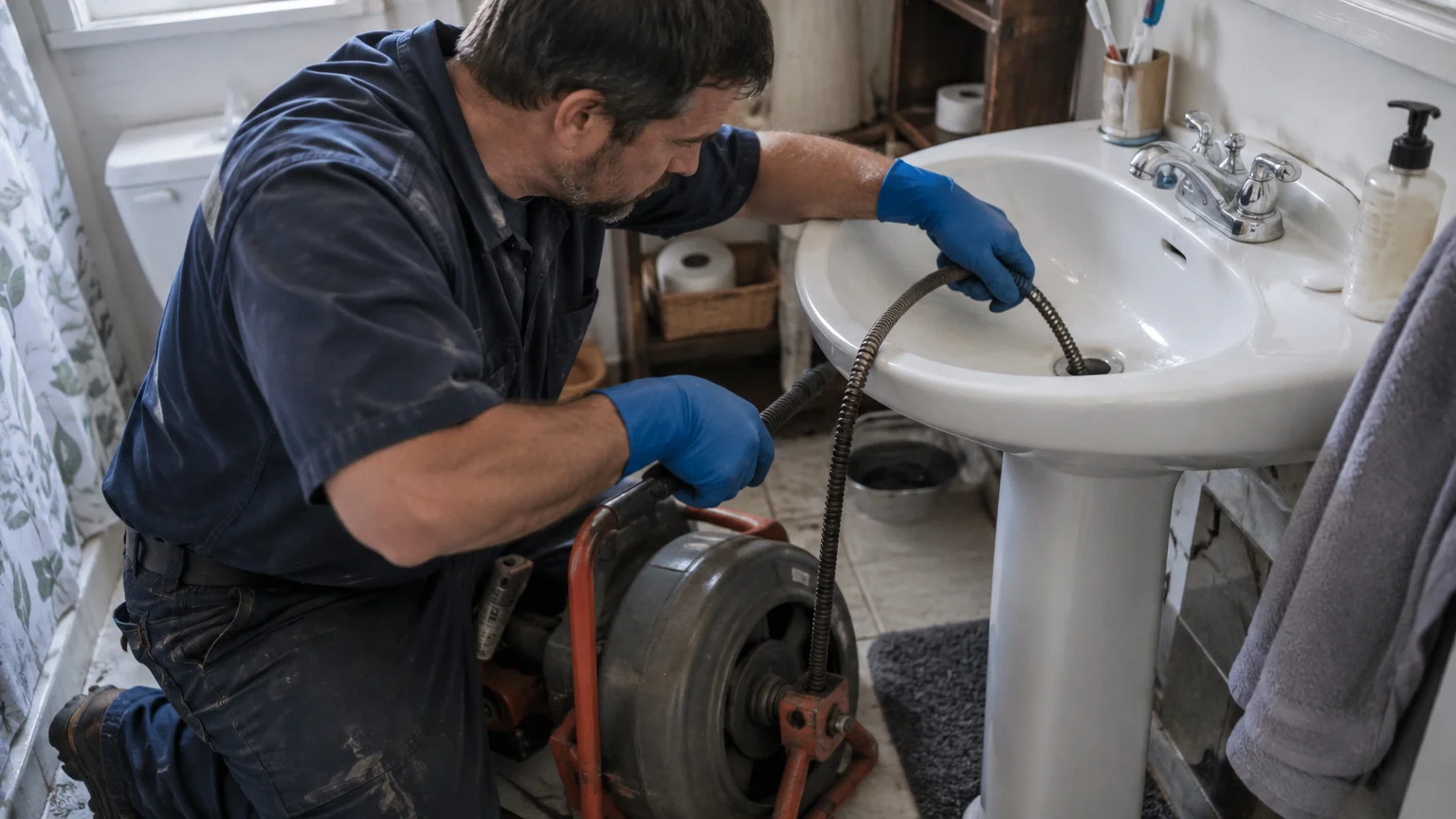
You can remove visible hair or debris from a sink stopper if the job is simple and the area is clean. Stop if a fitting is stuck, a leak starts, or the clog remains. Do not mix drain chemicals or use them with a plunger. Splashes can hurt skin or eyes. For clogs that return or affect several fixtures, professional drain service is safer.
A single slow drain with no backup may be suitable for a planned repair. Waste entering the home cannot wait. Note which fixtures are affected and when the problem began. This information can help a plumber judge how urgent the job is and where to start checking.
Which water heater problems need urgent repair?
A water heater needs prompt help if it leaks heavily, may be unsafe to approach, shows electrical damage, or has a nearby gas smell. A small drip at a fitting still needs attention, but the source matters. Turn off the unit only if its controls are safe to reach and you understand the instructions.
What should someone do if a water heater leaks?
If water leaks from the bottom of a water heater, do not assume the tank is the source. Water may come from a valve, a pipe, or a connection nearby. If water is still flowing, stay away from electrical parts. Shut off the heater’s water supply only if its valve is safe to reach.
Do not touch a wet plug, wire, or control panel. If the heater uses gas and there is no gas smell, follow the maker’s instructions only if it is safe. If you are unsure where the leak comes from, leave the controls alone and call a qualified plumber. Water Heater Repair can help find the problem and decide what repair is safe.
What if there is a gas smell or electrical damage?
If you smell gas, leave the building right away. Do not use a phone inside, turn lights on or off, or operate appliances. Once outside and away from the building, contact emergency services or the gas utility. Do not return until officials say it is safe.
Sparks, damaged wires, or water near electrical parts also mean you should keep your distance. Do not try to dry or fix electrical equipment yourself. You may look for a puddle from a safe place, but do not approach a danger to find its source. A plumber or other trained worker can check the equipment after immediate safety risks are handled.
What should you do if a sewer line backs up?
If sewage enters a home, stop using water and keep people and pets away from the affected space. Sewage can carry germs and make people sick. Call a plumber about the blockage. Use trained cleanup help if the affected area is more than a small, contained spot.
How can someone recognize sewage inside?
Wastewater may appear in a floor drain, tub, shower, or toilet. It may have a strong, unpleasant smell, but smell and appearance alone do not tell you exactly what is in the water. If several fixtures back up, or the problem returns after a simple clog is cleared, a sewer line issue may be present.
Stop using taps, toilets, laundry machines, dishwashers, and other water-using equipment. More water may add to the backup. Do not try to clear a sewer line through a cleanout unless you are trained. A cleanout is an access point for a drain pipe. Opening one may release wastewater with force.
What precautions help before professional help arrives?
Keep children, pets, and people who may be more at risk away from the dirty area. Do not touch sewage with bare hands or walk through it. If a small amount reaches a hard surface, avoid spreading it to other rooms. Do not mix household cleaners, especially products with different ingredients.
Take photos from a safe distance and note which fixtures are affected. Tell the landlord or property manager right away if a rental home or shared building is involved. Cleanup needs depend on how far the water spread and what it touched. Do not assume a room is safe just because visible water is gone. Damp materials may still need proper cleaning or removal.
Are low water pressure or no water signs of an emergency?
Low water pressure is not always an emergency, but a sudden change may point to a leak, valve issue, or supply problem. No water may be caused by work or an interruption outside the home. Check whether one fixture or the whole building is affected before deciding who to call.
What can cause low water pressure in a house?
If one faucet has weak flow, its aerator may be blocked by mineral bits or dirt. An aerator is the small screen at the faucet opening. You may remove and rinse it if the faucet instructions allow. If water pressure stays low, the cause may be deeper in the fixture or pipe.
Low pressure throughout a home may have another cause, such as a partly closed valve, a leak, or a problem with the water supply. Look for wet spots or unusual sounds, but do not open walls to search. If pressure drops suddenly or keeps changing, a plumber can check the system and find the source.
When should someone check with the water provider?
Ask neighbors whether they also have low or no water. If nearby homes have the same problem, contact the local water provider about an interruption or work in the area. If only one property is affected, check valves you can reach safely. Call a plumber if the cause is unclear.
A sudden loss of water with wet floors, a running-water sound, or a visible pipe leak needs faster help. If water is off but there is no sign of a leak, the issue may be outside the home. When looking for help, phrases such as “plumber in Riverside, California” or “local plumbing service” can describe the need. Choose a licensed professional who knows how to handle the problem.
When should you call an emergency plumber?
Call an emergency plumber when water will not stop, sewage backs up, a pipe bursts, or a gas or electrical danger may be present. Safety comes first. Leave an unsafe area and contact the right emergency service when needed. A plumber can then inspect and repair the plumbing problem.
What information helps when requesting urgent service?
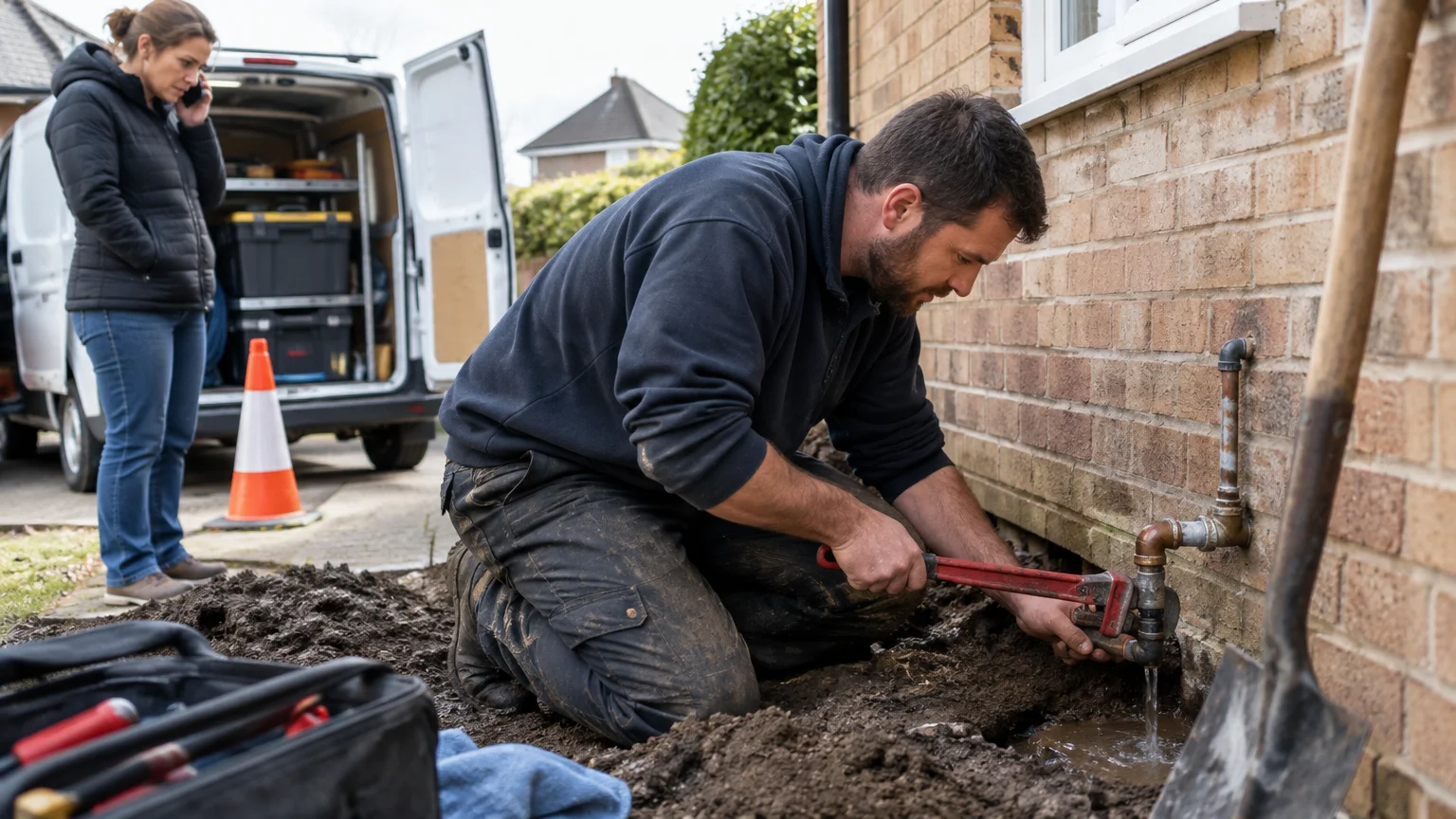
Explain what happened, when it began, and whether water is still flowing. Say which rooms or fixtures are affected and whether anyone has used the main shutoff. Mention sewage, a gas smell, electrical risks, or danger to a tenant or nearby unit. Do not enter an unsafe area to gather details.
Photos may help show damage if you can take them safely. Tell the plumber whether the problem has happened before and what steps you tried. Do not guess at the cause. A clear account of what you see is more useful than an unproven answer. A licensed plumber can decide what checks to make after arriving.
Why do recurring symptoms need a proper diagnosis?
A clog that returns, a leak that starts again, or pressure that keeps falling may have a cause beyond the visible problem. Repeating a quick fix can hide a larger issue and lead to more damage. A proper check looks at the affected parts and helps show whether the repair fixed the cause.
For a business, plumbing trouble can affect staff, customers, and daily work. A landlord or property manager should record reports, steps taken, and rooms that cannot be used. Tenants should report urgent problems to the person who handles repairs. They can also take safe steps to limit damage. Plumbing Riverside California serves Riverside and can help readers understand which plumbing service may fit an urgent need.
How can you reduce the risk of future plumbing emergencies?
Simple checks may help you find plumbing trouble before it spreads. Look under sinks, around toilets, and near water heaters for damp spots or new drips. Keep shutoff valves easy to reach and learn how they work before an emergency. These checks do not take the place of needed repairs.
What routine checks are safe to do?
You can look for visible leaks, clear hair from a sink stopper, and keep harmful items out of drains. Watch for toilets that keep running, changes in water pressure, or new pipe sounds. If a task needs force, special tools, or work near gas or wires, stop and call a professional.
Test a shutoff valve only if it is easy to reach and shows no damage. Do not force a valve that will not turn. Ask a plumber to check it during planned work. Make sure adults in the home know where the main valve is. Keep boxes and other stored items from blocking it.
What should owners, tenants, and managers record?
Write down when the problem began, which fixtures were affected, and how it changed. Save photos of visible damage and note safe steps you took, such as turning off a fixture valve. A tenant should tell the landlord or property manager about a leak or backup as soon as possible.
Owners and managers can keep repair notes and share useful plumbing details with the plumber. These may include earlier leaks, repeat clogs, appliance changes, or rooms with past water damage. Good notes can show whether a problem is new or has happened before. Plumbing Riverside California can help residents and property owners plan a response when warning signs appear.
Key takeaways
- Stop water only when it is safe. Keep away from electrical risks near leaks or burst pipes.
- Treat sewage, gas smells, and electrical damage as safety risks. Leave unsafe areas and contact the proper emergency service.
- Stop using water when several drains back up. More water may make the problem worse.
- Do simple checks and upkeep yourself when safe. Get help for gas, wiring, hidden pipes, or problems that return.
- Write down what happened. Tell the plumber which fixtures, rooms, and shutoff valves are involved.
Frequently Asked Questions
What are the most common plumbing emergencies?
Common plumbing emergencies include burst pipes, major leaks, overflowing toilets, sewage backups, and sudden water heater failures. A problem is urgent if it may harm people, spread water, or damage a building. Shut off water if safe, stay away from hazards, and contact a plumber when you cannot contain the problem.
What should someone do if a water heater is leaking from the bottom?
Stay away from electrical parts and look only from a safe place. Water may come from a pipe or valve, not the tank itself. If the leak is active, shut off the heater’s water supply only if the valve is safe to reach. Then arrange a professional check.
How can someone test for a gas leak?
Do not use a flame or try to test a suspected gas leak yourself. If you smell gas, leave the building without using switches or appliances. From outside and away from the building, contact emergency services or the gas utility. Do not return until officials say it is safe.
What can cause low water pressure in a house?
A blocked faucet aerator can reduce flow at one fixture. Low pressure across a home may come from a valve, a leak, or a water supply problem. Check whether neighbors have the same issue and look for visible signs of water. If the cause is not clear, ask a plumber to inspect the system.
What should someone do if a toilet keeps running?
A running toilet that does not leak or overflow is usually not an emergency. Check whether the handle is stuck or a tank part looks out of place. If it keeps running, turn off the toilet’s water valve if it works safely, then arrange Toilet Repair.
Conclusion
Knowing warning signs can help you act quickly without taking unsafe risks. Stop water when safe, stay clear of sewage and electrical dangers, and avoid temporary fixes for problems that return. For urgent plumbing help in Riverside, Contact us to discuss the issue with Plumbing Riverside California.
If you are not sure what you are dealing with, it is worth having someone look at it before it turns into a bigger job. Find out more about our emergency plumbing in Riverside, California. Get in touch with Plumbing Riverside California in Riverside, California today and we will tell you where you stand.