Fixture installation cost depends on the fixture, the plumbing, and the work needed to fit it safely. A replacement in the same spot is often simpler than adding a fixture somewhere new. Access, repairs, and parts can also change the job. In Riverside, the final cost is confirmed in a quote after a plumber reviews the details.
Table of Contents
- What Does Fixture Installation Cost Depend On?
- Which Fixtures Have Different Installation Requirements?
- How Does Replacing a Fixture Compare With Installing a New One?
- What Additional Work Can Affect the Overall Installation?
- How Can You Choose the Right Fixture for Your Property?
- How Can You Prepare for a Fixture Installation?
- When Should You Hire a Plumber for Fixture Installation?
- Frequently Asked Questions
What Does Fixture Installation Cost Depend On?
Fixture installation cost varies with the kind of fixture, the work it needs, and the state of the plumbing. A direct swap may need less work than a new setup with changed water lines or drains. The plumber checks the job and confirms the final cost in a quote.
How fixture type and installation complexity affect the work
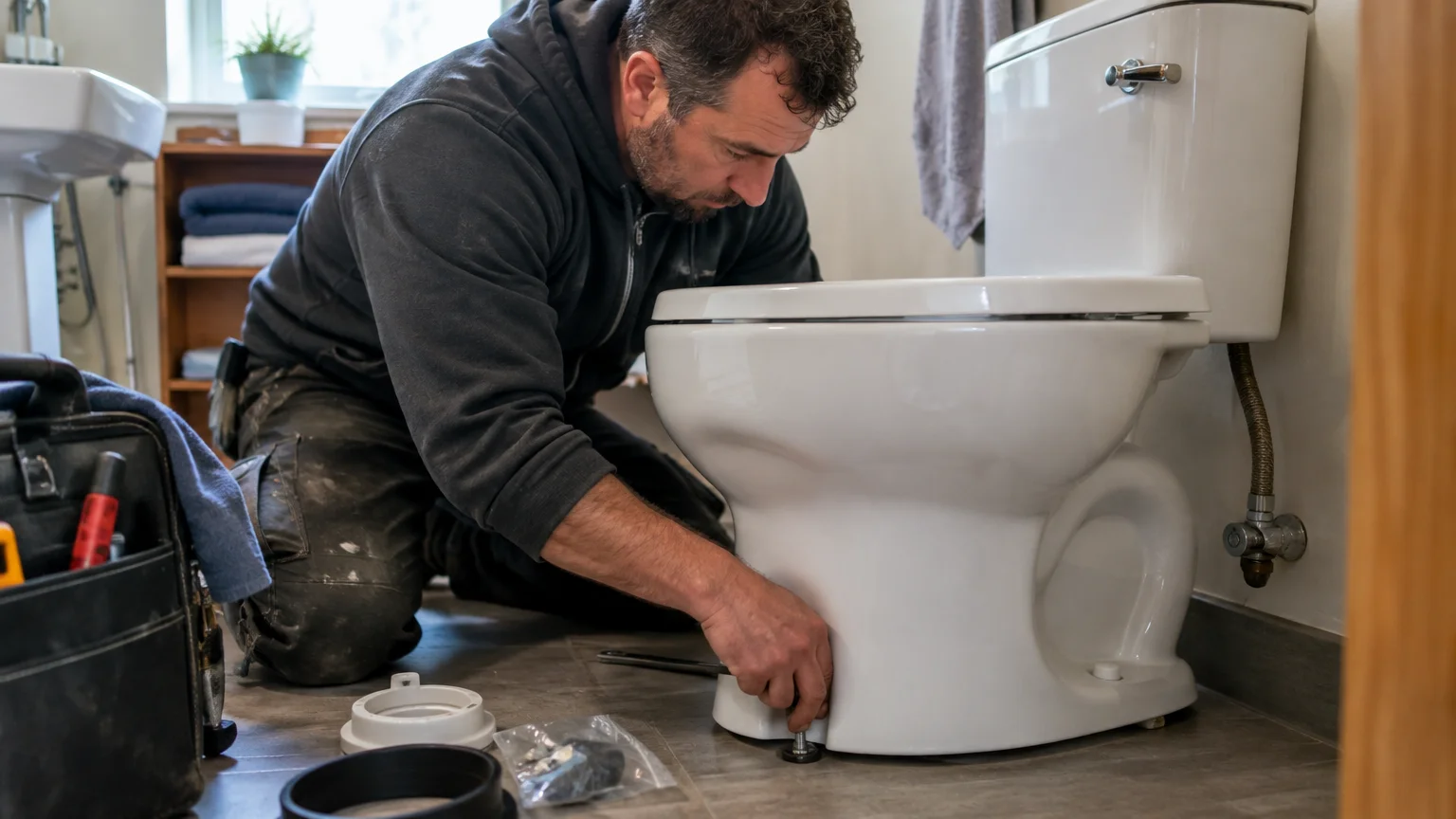
A faucet, toilet, sink, and shower fixture each connect in a different way. A faucet may need new water lines or drain parts. A toilet needs a firm floor connection and a good seal. A shower fixture may need access behind a wall, which can make the work more involved.
The fixture model matters as well. Some fixtures fit common connections, while others need special parts or careful fitting. A wall-mounted sink needs strong support inside the wall. A replacement faucet may be a simpler job if its holes match the old ones.
Why existing plumbing conditions matter
Old or damaged pipes can change the work. A plumber may find a shutoff valve that will not close, a drain that leaks, or a connection that no longer fits. Fixing these issues helps lower the chance of leaks after installation.
Access also matters. A fixture inside a tight cabinet can take more time and care to reach than one in an open space. Plumbing Riverside California can review fixtures and plumbing conditions with property owners, before work starts. To help plan a clear quote, share the fixture type, any known leaks, and whether you are replacing or adding a fixture.
Which Fixtures Have Different Installation Requirements?
Toilets, faucets, sinks, and shower fixtures each need the right connections and support. Their location, shape, and use help decide what work is needed. A home bathroom, busy kitchen, and business restroom may all have different needs.
Toilets, faucets, sinks, and shower fixtures
A toilet must sit level and seal well to the drain. A poor seal can let water escape around the base. A running toilet may need a small repair instead of a new fixture. A homeowner can check whether the tank flapper is stuck, but should stop if water reaches the floor or the shutoff valve fails.
Faucets need secure water lines and a working drain setup. A drip may come from a worn part that is simple to replace. But a leak under the sink can point to a loose or damaged connection. Sinks need enough support, a good drain fit, and a seal that keeps water away from cabinets.
Shower fixtures include handles, valves, and showerheads. A showerhead swap may be simple if the fitting matches. A valve inside a wall is harder to reach and may leak out of sight. The right repair depends on where water escapes and how the fixture connects.
Kitchen, bathroom, and commercial fixture considerations
Kitchen fixtures often get heavy use and need to fit the sink and counter. A new faucet may need a different number of mounting holes. Bathroom fixtures must fit the room and connect to the current drains and water lines. Choose a fixture that works with the space, not only one that looks right.
Business fixtures may need to handle steady use by many people. Strength, fit, and easy cleaning matter. Property owners should also think about how long the room may be out of use. Plumbing Riverside California can help Riverside homeowners and property managers compare fixture needs before choosing a plan.
How Does Replacing a Fixture Compare With Installing a New One?
Replacing a fixture in the same place can be simpler when the old connections are sound and fit the new fixture. A new location may need changes to water lines, drains, walls, or floors. A plumber checks the setup before confirming the work and quote.
When existing connections can be reused
A direct replacement may use the current water lines, drain, and mounting points. This keeps the work focused on removing the old fixture and fitting the new one. The plumber still needs to check that the connections are sound and match the new fixture.
A new toilet may look like the old one but have a different base shape. A faucet may need more or fewer mounting holes. A sink may have its drain in a different place. These small changes can mean extra work, so check the fixture details before buying it.
Homeowners can safely measure the open space and note the fixture brand or model. They can also clear items from the work area. There is no need to take pipes apart or remove a fixture to help with planning. If a valve is stuck or a connection drips, leave it alone and tell the plumber.
How layout changes or new plumbing affect the project
Moving a fixture can mean more than fitting a new item. Water lines may need to reach a new place, and the drain may need changes. Walls, floors, or cabinets can block access. The work needs careful planning so water flows and drains as it should.
A new sink location, for example, may need work behind a wall or under a floor. Adding a shower where none existed can involve several water connections and control parts. The amount of work depends on the building and the planned layout.
Before choosing a new location, think about how the room is used and where pipes may run. A plumber can explain what can stay and what must change. If the project is part of a larger room update, Bathroom Installations or Kitchen Plumbing can help owners consider related work. The quote should match the site conditions and the agreed work.
What Additional Work Can Affect the Overall Installation?
Taking out an old fixture, fixing damaged parts, making access, and meeting local rules can add work. These needs differ from one property to another. A plumber checks them before starting and explains what the job includes.
Removing old fixtures and addressing damaged parts
An old fixture may be stuck, rusty, or sealed in place. Careful removal helps protect nearby tile, counters, cabinets, and pipes. If a part breaks during removal, the plumber may need to replace it before fitting the new fixture safely.
Hidden damage can also change the plan. A soft floor near a toilet may point to water damage. A stained cabinet under a sink may mean a leak has been there for some time. The plumber may need to find and fix the source before installing the new fixture.
Homeowners can look for damp spots, stains, mold-like growth, or a musty smell. Do not cover these signs with a new fixture. Tell the plumber what you noticed and when it began. These details can help the plumber check the right areas and explain what comes next.
Permits, access, and code requirements
Some projects may need permits or must follow local plumbing rules. Requirements can differ by city, county, and state, so check with the local building office or ask the plumber. Work that changes pipes or fixture locations may need more review than a simple replacement.
Clear access helps the plumber work safely. Move stored items from under a sink and keep children and pets away from tools and open pipes. In a shared building, arrange access to the room and tell people who may be affected by water shutoffs.
The plumber should explain what the job includes, whether other work may be needed, and how the fixture will be tested. Ask about cleanup and how the old fixture will be handled. These details help owners understand the work before it starts and what the quote covers.
How Can You Choose the Right Fixture for Your Property?
Choose a fixture that fits the space, works with the plumbing, and suits how the property is used. Strength, water use, care, and access to replacement parts matter too. Checking these points before buying can help avoid fit problems and extra work.
Balancing durability, water use, and compatibility
First check the fixture size and connection details. Compare them with the current setup, including mounting holes, drain position, and open space. If you are not sure about these details, wait to buy until a plumber checks the area.
Think about daily use, too. A kitchen faucet used often needs a strong handle and parts that are easy to care for. A toilet in a busy home or business may need a sturdy design. Water-saving models may use less water, but they must still work with the plumbing and follow local rules.
Read the maker’s care guide and keep it for later. Ask whether common repair parts are easy to find. A fixture that looks good but is hard to fix may not be the best long-term choice. The right one balances looks with steady use and simple care.
Questions to consider before selecting a fixture
Before choosing, think about the room, the people who use it, and the plumbing already in place. A landlord may want easy care between tenants. A business owner may need a fixture for frequent use. A homeowner may care most about comfort and a style that suits the room.
Useful questions include:
- Will the fixture fit the open space and current connections?
- Does the model need special parts, tools, or wall access?
- Is it right for how often people use the room?
- Can you find care instructions and repair parts?
- Does the product follow local rules for its planned use?
A plumber can check whether the fixture will fit and point out likely problems. The plumber does not need to choose it for you. Compare options, ask questions, and select a model that fits the room and work plan.
How Can You Prepare for a Fixture Installation?
Prepare by clearing the work area, sharing known problems, and confirming which fixture will be installed. The plumber can explain the planned steps and test the fixture after fitting it. Homeowners can do simple preparation, but should not work on unsafe pipes or valves.
What to check before the plumber arrives
Move items away from the sink, toilet, or shower so the plumber can reach the connections. Keep children and pets out of the work area. If the fixture is in a rental or shared building, make sure the right person can provide access.
Share details about leaks, weak water flow, odd sounds, or past repairs. Mention whether a toilet keeps running or a faucet drips after being turned off. These notes help the plumber understand the issue. If the shutoff valve is easy to reach and works as usual, the plumber can decide when to use it.
A homeowner can clear the counter, take photos, or read the fixture label. These are safe steps. Do not force a stuck valve, cut a pipe, or remove a fixture. If water is leaking, stay clear of electrical items and tell the plumber where it is coming from.
What to expect during installation and testing
The plumber checks the fixture, connections, and work area before fitting the new item. The steps depend on the fixture and whether other parts need repair. If an issue changes the plan, the plumber should explain the change before doing extra work.
After installation, the plumber should run water and check for leaks. A toilet should flush and fill as expected. A faucet should turn on and off, and the drain should carry water away. Watch the test and ask how to spot a problem later.
Follow the maker’s care directions and keep the product information. Check the area again after normal use. Report a new drip, damp cabinet, or water around a toilet base promptly. Good testing and simple checks can help find a problem before it causes more damage.
When Should You Hire a Plumber for Fixture Installation?
Hire a plumber when the work needs new pipe connections, a fixture move, checks for hidden leaks, damaged parts, or a valve that will not shut off. Simple cleaning and basic checks are often safe to do yourself. Stop and get help if water is spreading or the work feels unsafe.
Signs a repair or installation needs professional attention
A plumber should check a fixture that leaks into a wall, floor, or cabinet. Water damage can spread beyond the spot you can see. A toilet that keeps running may need a small part, but repeated trouble, a cracked tank, or water around the base needs a closer look.
Get help if a shutoff valve will not close, a pipe looks damaged, or a new fixture does not fit the current connections. Do not force old parts. A broken connection can cause a sudden leak and more damage.
Homeowners can clean a faucet aerator, wipe away mineral buildup, or check a loose handle when the task is safe and simple. These basic jobs do not always need a plumber. But work behind walls, drain changes, and leaks you cannot find are best left to a trained plumbing professional. Related repair costs and plumbing costs depend on the issue; drain cleaning is a separate service for clogs and buildup, not fixture fitting.
Key takeaways
- Fixture installation cost depends on the fixture, access, plumbing condition, and work needed.
- Replacing a fixture in the same spot may need less work than moving it.
- Check the fixture size and connections before buying a replacement.
- Homeowners can clear the work area and do simple cleaning, but should not force pipes or valves.
- The final cost is confirmed in a quote after the job is reviewed.
For a repair or replacement, Contact us to discuss the work with Plumbing Riverside California. A plumber can review the fixture, explain the next steps, and confirm the quote based on the property and job details.
Frequently Asked Questions
How do you know whether a faucet needs repair or replacement?
A faucet may need repair when a worn part causes a drip or loose handle. Replacement may make more sense if the body is cracked, parts are hard to find, or leaks keep coming back. A plumber can check the faucet and connections before suggesting the next step.
What should someone do if a toilet keeps running?
A homeowner can look inside the tank to see whether the flapper is stuck or the chain is tangled. Do not force any part. If the toilet keeps running after a simple check, the shutoff valve will not work, or water appears around the base, contact a plumber. Toilet repair cost depends on the part and work needed, so the issue should be checked before a quote is given.
Can a homeowner install a new faucet?
A homeowner with basic skills may replace a faucet when the new model fits the current holes and connections, and the shutoff valves work. Stop if a valve is stuck, pipes are damaged, or the connections do not match. A plumber can handle those issues and check for leaks.
Does replacing a fixture usually require changing pipes?
Not always. A direct replacement may use sound connections already in place. Pipe changes may be needed if the new fixture has different fittings, the old pipes are damaged, or the fixture is moving. A plumber can inspect the setup and explain what work is needed.
What affects fixture installation cost the most?
The fixture type, access, existing plumbing, and amount of repair work all affect the job. A same-place replacement may be simpler than adding a fixture in a new location. The final cost is confirmed in a quote after the plumber reviews the property and planned work. In Riverside, sharing the fixture details and any known plumbing problems can help the plumber understand the job.
If you are not sure what you are dealing with, it is worth having someone look at it before it turns into a bigger job. Get in touch with Plumbing Riverside California in Riverside, California today and we will tell you where you stand.