Toilet installation cost depends on the fixture, the work it needs, and access to the bathroom. Replacing a toilet in the same spot is often simpler than adding a new one. Plumbing damage, layout changes, or special features can add work. A written quote confirms the final cost for the job.
Table of Contents
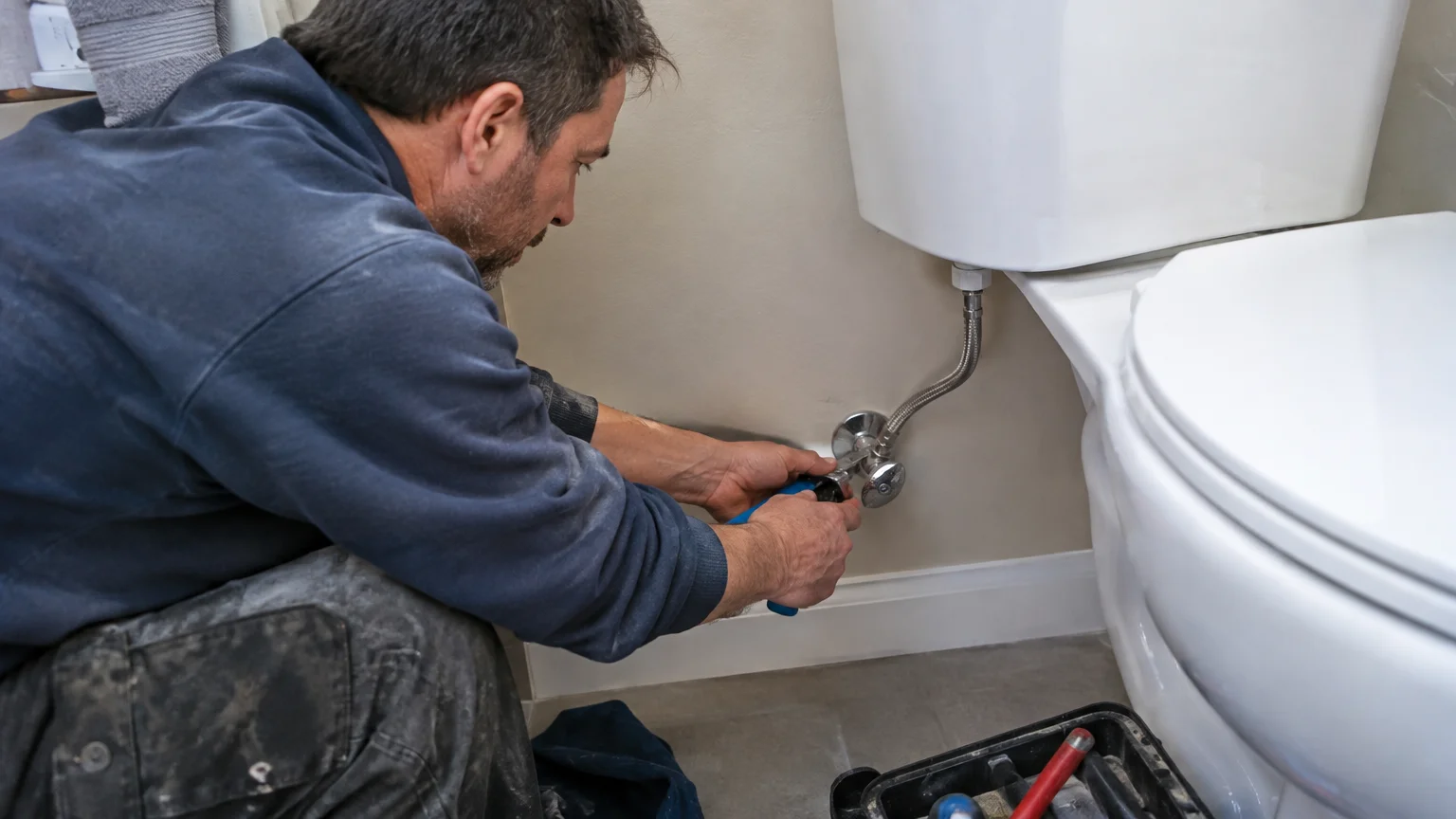
- What affects the cost of installing a toilet?
- How does a new toilet installation compare with a replacement?
- Which toilet and installation options can change the scope?
- What additional work can affect a toilet installation quote?
- How can you compare toilet installation quotes?
- When should a licensed plumber install or replace a toilet?
- How can you plan for a reliable toilet installation?
What affects the cost of installing a toilet?
The main factors are the toilet type, the work needed, and the state of the plumbing. A basic replacement in the same spot often needs less work than a new installation. The final cost is confirmed in a quote after a plumber reviews the bathroom and the job.
Toilet type, features, and installation requirements
Toilets come in different shapes, sizes, and designs. A standard two-piece toilet has a separate bowl and tank. A one-piece toilet joins the bowl and tank together. Wall-mounted toilets attach to a support frame inside the wall, so they may need more planning and plumbing work.
Special features can also change the work. Some toilets have different flushing systems, heated seats, or built-in wash features. Check the size and the maker’s installation guide before you choose a model. It needs to fit the bathroom and work with the home’s water and drain lines.
The fixture itself is only part of the toilet installation cost. The plumber may need to adjust connections or handle other work so the toilet fits and works as it should. A simple replacement may compare favorably with a job that calls for new plumbing or changes to the room. The quote should describe the work for your chosen model.
Labor, access, and local plumbing conditions
The bathroom layout and access to the work area can affect the job. A narrow doorway, stairs, or a small room may make it harder to move the old toilet and bring in the new one. The condition of the floor, shutoff valve, supply line, and drain can also change what needs to be done.
Local rules may affect which work is allowed or whether a permit is needed. Rules differ by area, so a plumber should confirm what applies in Riverside, California. Plumbing Riverside California can explain which parts of the job need attention before work starts. A clear scope helps owners see why one installation may involve more work than another.
Access and local plumbing conditions can affect plumbing costs beyond the toilet itself. For example, a damaged valve may need repair before the new fixture can be connected. Ask what the quote includes, and how the plumber will discuss work that was not clear at first. This helps you compare the full job rather than just the fixture.
How does a new toilet installation compare with a replacement?
A replacement usually uses an existing toilet location and working plumbing connections. A new installation may need a drain, water supply, or other changes before a toilet can be fitted. These jobs have different scopes, so the quote should explain the work for that specific bathroom.
Replacing a toilet in the same location
A same-location replacement often begins by turning off the water and removing the old toilet. The installer checks the floor connection, fits the new fixture, reconnects the supply, and tests for leaks and proper flushing. If the old connections are in good shape, there may be fewer steps than with a new installation.
Homeowners can clear small items from around the toilet and choose a fixture before the visit. They do not need to remove the old toilet themselves. A toilet can be heavy, and water may remain in the bowl and tank. DIY removal can expose a damaged flange or cause a leak if the drain opening is left unprotected.
A replacement may also reveal a problem that was hidden by the old fixture. The installer should check for water damage, a loose connection, or a worn seal before fitting the new toilet. If the repair changes the planned work, ask for an explanation and an updated written scope. That way, the final cost reflects the work you approved.
Installing a toilet where none existed before
A new toilet location may need changes to the drain, water line, floor, or wall. How far the new spot is from existing plumbing and how the building is laid out can affect the plan. In some cases, part of a wall or floor must be opened and repaired after the plumbing work.
Ask who will handle related work, such as patching a wall or floor. You should also ask whether a permit or inspection may apply. A new toilet location is not just a matter of putting a fixture in an open space. The plumbing must serve the toilet and follow local rules.
Because this type of job can involve more than fitting a fixture, it usually needs a closer review than a same-spot replacement. The plumber should explain which lines need to be added or moved, and what other trades may be needed. A written quote can set out the work and explain how any changes will be approved.
Which toilet and installation options can change the scope?
The toilet model and the work needed to fit it can change the scope. A like-for-like replacement may be straightforward, while a different style or location can call for added plumbing work. The installer should check the fit and connections before confirming the plan.
One-piece, two-piece, wall-mounted, and specialty toilets
A two-piece toilet is common and has a separate tank and bowl. A one-piece model joins those parts and may be heavier to move. A wall-mounted model uses a support system hidden in the wall, so the installer may need access behind it. Specialty toilets can need specific water, power, or mounting connections.
Check the rough-in measurement before buying a toilet. The rough-in is the distance from the finished wall behind the toilet to the floor drain. It helps show whether the fixture will fit the existing layout. The product guide should also list the toilet’s size, connection needs, and care directions.
The toilet’s design can affect both the steps and the time needed for the job. For example, a heavier fixture may need careful handling, while a wall-mounted toilet uses a different support setup. Ask the plumber to review the model before you buy it. This can help avoid delays if it does not work with the room or existing connections.
Standard replacements versus plumbing or layout changes
A standard replacement keeps the toilet in its current spot and uses compatible connections. Moving the toilet, choosing a different model, or changing nearby fixtures may need more planning. If the new toilet does not match the current drain or water line, the plumber should explain options before work begins.
Share the toilet model with the plumber before the appointment. If you have not chosen a fixture, ask which measurements and features matter. Plumbing Riverside California can help property owners understand whether a chosen model suits the space. That talk can help prevent delays and make sure the quote reflects the actual plan.
A change in the toilet’s style does not always mean the whole layout must change. The key is to check the product size and connections against the bathroom first. In Riverside, homes and business spaces may have different layouts and existing plumbing. A review of the site helps the plumber explain what can stay and what may need attention.
What additional work can affect a toilet installation quote?
Repairs to connections, flooring, or hidden plumbing can add work during an installation. A plumber may find these issues after taking out the old toilet. The quote should say what is included and explain how newly found problems will be handled before extra work starts.
Flange, drain, shutoff valve, and supply-line repairs
The toilet flange connects the toilet to the drain and helps hold it to the floor. If it is loose, cracked, or badly worn, it may need repair or replacement. A damaged seal can let water escape around the base, so the installer should look for damp spots or other signs of moisture.
The shutoff valve controls water to the toilet. A stiff, leaking, or broken valve may need repair before the new fixture is connected. The supply line should also be in good shape and fit the toilet. Do not force a valve that will not turn. If it leaks or breaks, stop and call a plumber.
These repairs can change the toilet installation cost because they add work beyond removing and fitting the fixture. Ask what the plumber found and why a repair is needed. If the planned work changes, the plumber should explain the new scope and confirm it with you before going ahead.
Flooring, subfloor, and accessibility considerations
Soft flooring, stains, or a toilet that rocks can point to damage below the fixture. The subfloor is the layer under the finished floor. If it has taken in water or become weak, it may need repair before the toilet can be held in place safely.
The bathroom layout can affect safe access and the best fixture choice. Someone with mobility needs may prefer grab bars, a taller seat, or more open space. Plan these changes with the right workers and check local rules. Ask which related tasks are in the quote and which are not.
If the floor is damaged, a new toilet alone may not solve the problem. The plumber should explain whether the floor needs repair before the fixture is set. This can affect the overall scope and how long the job takes. Clear answers help owners plan for the full work, not just the visible toilet.
How can you compare toilet installation quotes?
Compare the work included in each quote, not only the final cost. A useful quote describes the toilet, installation tasks, removal, connection work, and how possible repairs will be approved. The final cost should be confirmed in a written quote before work begins.
Check what materials, labor, and removal are included
Check whether the quote covers the toilet or only the installation. It should say whether the old fixture will be removed and taken away. Look for details about the new seal, fasteners, supply line, and other materials needed for the work described.
Ask how the plumber will handle damage found after removing the old toilet. A clear process should explain when work will pause, how the problem will be described, and how a changed scope will be approved. Do not assume that floor repair, wall repair, or replacement parts are included unless the quote says so.
Comparing quotes can also help you understand whether a job is a simple replacement or needs added work. The toilet repair cost for a separate fault may not be part of an installation quote. Ask the plumber to list each task so you can compare like with like. The final cost depends on the fixture, parts, access, and repair needs, and is confirmed on a quote.
Clarify permits, warranties, cleanup, and possible extra work
Ask whether the job may need a permit or inspection in your area. Rules can differ between towns and states. Check who will arrange any required steps and whether they are included in the quote. Also ask what warranty applies to the installation and the fixture, since they may have different terms.
Confirm what cleanup is included and how the old toilet will be handled. A careful installer should test the toilet after fitting it and explain any care needs. Compare answers from licensed plumbers with related installation experience. The lowest quote may leave out work another quote includes, so compare the full scope before deciding.
It is also helpful to ask how a plumber will report a problem found during the job. You should know what information you will receive before added work begins. This is especially useful when the old toilet has hidden damage or the bathroom needs plumbing changes. A clear process helps prevent confusion about the agreed work.
When should a licensed plumber install or replace a toilet?
A licensed plumber is the right choice when the job involves plumbing changes, leaks, damaged connections, or questions about local rules. Homeowners can safely do simple checks and cleaning, but poor toilet removal or fitting can cause leaks. Licensing rules vary by state and local area.
Signs the existing toilet or connections need professional attention
Call a plumber if the toilet rocks, leaks at its base, drains poorly, or keeps running after simple checks. Water stains, a soft floor, a cracked bowl, or a leaking shutoff valve also need attention. A toilet that keeps running may have a worn flapper or another faulty tank part. Replacing a simple tank part can be suitable for DIY toilet repair if the water shuts off safely and you follow the model instructions.
A toilet not flushing well may have a simple cause, such as a handle or tank part that needs attention. You can check the owner’s guide and clean the fixture without removing it. If the problem continues, or you see a leak or damage, call a plumber. Running toilet repair may be a small job when the cause is a basic tank part, but the issue should be checked if it does not stop.
Do not ignore a sewage smell, water near electrical items, or a leak that will not stop. Turn off the toilet’s shutoff valve if it works, keep people away from wet areas, and seek professional help. If the main shutoff valve is hard to reach or does not work, tell the plumber when arranging service.
Why licensing, insurance, and relevant experience matter
A licensed plumber has met the rules that apply in the work area. Those rules vary, so owners can check with their state or local licensing office. Ask for proof of insurance and confirm who is responsible for the work. These checks can help you choose a qualified worker for your property.
Experience with the chosen toilet type matters, too. A wall-mounted or specialty toilet may need different skills than a standard replacement. Ask whether the plumber has worked with similar fixtures and can explain the planned work in plain words. Plumbing Riverside California serves property owners and can discuss the installation scope before the job is planned.
The same care applies when you compare plumbing costs for installation and repair. Ask what work is included, what may change, and how any change will be approved. A clear answer is more useful than a short quote that leaves out key tasks. Owners in Riverside can use these questions to compare the full scope.
How can you plan for a reliable toilet installation?
Choose a toilet that fits the bathroom, confirm the work plan, and keep the area clear. Tell the plumber about any known leaks or floor damage before the visit. A written plan helps you understand the job and what will happen if a hidden problem is found.
Prepare the space and confirm fixture compatibility
Measure the current toilet area and check the product guide before buying a new fixture. Confirm the rough-in, toilet width, bowl shape, and space around doors or cabinets. If the new model needs a special connection, share its details with the plumber first.
Clear personal items from around the toilet and make a safe path to the bathroom. Keep children and pets away from the work area. Homeowners can clean the outside of the old toilet, but should not loosen plumbing connections or remove it unless they know how to protect the drain opening.
If you are not sure which model will fit, wait to buy one until you have checked the measurements. The wrong size can cause delays or require a different plan. Share any concerns about access, mobility, or the bathroom layout with the plumber. This helps the installer review the fixture and work area before the visit.
Review the final scope and care recommendations
Before work starts, read the quote and check that it matches the agreed fixture and tasks. Ask how changes will be approved if the installer finds damage. After installation, follow the maker’s care directions and watch for leaks around the base, tank, and supply line.
Flush the toilet and make sure it refills and stops running. If the toilet rocks, leaks, or does not flush as expected, contact the installer to discuss the issue. Simple cleaning and checks are safe for most owners, but plumbing changes and ongoing leaks need a plumber. Keep the care guide for the fixture in case you need it later.
Key takeaways
- The toilet type, plumbing condition, and access can change the work.
- A same-location replacement is often simpler than adding a new toilet location.
- Check the flange, shutoff valve, supply line, and floor during installation.
- Compare the full written scope, not only the final cost.
- Simple checks are fine, but leaks and plumbing changes need a plumber.
Frequently Asked Questions
What can make a toilet installation more involved?
A damaged flange, leaking shutoff valve, worn supply line, or soft flooring can add work. A different toilet style may also need changes to the connections or layout. Ask the plumber to explain added work before it starts and update the written scope.
Can a homeowner install a toilet without a plumber?
A capable homeowner may replace a standard toilet, but the job involves lifting, sealing, and water connections. A poor seal can lead to hidden leaks. DIY is not a good choice when the floor is damaged, the valve leaks, or plumbing needs to move.
Does replacing a toilet cost less than adding a new one?
A replacement in the same spot often needs fewer changes than adding a toilet where none existed. A new location may need drain and water lines, along with floor or wall work. The actual cost depends on the property and work needed, and is confirmed in a quote.
Should the old toilet be removed before the plumber arrives?
Usually, the owner should leave removal to the installer. The toilet can be heavy, and water may remain inside it. Removing it also exposes the drain opening, which must be protected from debris and odors. Clear the area instead and ask what removal is included.
What should be checked after a new toilet is installed?
Flush the toilet and look for water around its base, tank, and supply connection. Check that it refills and stops running. Follow the maker’s care instructions, and contact the installer if the toilet rocks, leaks, or does not flush as expected.
The right installation plan depends on the toilet, the bathroom, and the plumbing. A careful review helps prevent missed work and sets clear expectations. For help planning a toilet installation in Riverside, Contact us at Plumbing Riverside California.
If you are not sure what you are dealing with, it is worth having someone look at it before it turns into a bigger job. Get in touch with Plumbing Riverside California in Riverside, California today and we will tell you where you stand.