Before the plumber arrives, protect people, stop the water when safe, and keep away from electrical or gas dangers. Stop using damaged fixtures, move belongings from clean water, and record what happened. These steps can limit damage while you wait for emergency plumbing help in Riverside.
A fast leak can cause major damage in a short time. A calm plan helps homeowners, tenants, landlords, investors, and business owners respond safely. Plumbing Riverside California helps Riverside property owners understand what to do before the plumber arrives during urgent plumbing problems.
Table of Contents
- What should you do first in a plumbing emergency?
- How do you shut off the water before the plumber arrives?
- What should you do about a burst pipe or major leak?
- How should you handle an overflowing toilet or backed-up drain?
- What should you do when a water heater fails?
- What information should you give the emergency plumber?
- What should you check after the emergency plumbing repair?
- Key takeaways
- Frequently Asked Questions
- What is the best next step during a plumbing emergency?
What should you do first in a plumbing emergency?
First, protect people and look for immediate dangers. Move away from standing water, exposed wires, gas smells, sewage, and damaged ceilings. The goal is safety before repair. Do not rush into a wet area just to find the source.
A plumbing emergency may involve a burst pipe, fast leak, sewage backup, overflowing toilet, or failed water heater. If water is near outlets, appliances, electrical panels, or a weak ceiling, do not touch electrical items. A licensed electrician or emergency responder may need to make the area safe before a plumber can work.
How to assess immediate risks to people and property
Look at the problem from a dry, safe place. Check if water is spreading, if a ceiling is sagging, or if walls feel soft. Never walk through standing water when electricity may be present. Keep children, pets, tenants, and customers away from the area.
If the leak is slow and safe to reach, place a container below it. Use towels only for clean water and only when you can do so safely. Move furniture, boxes, electronics, and other items away from the water when they are easy to move.
When to evacuate or contact emergency services
Leave the property if you smell gas, see fire or smoke, find major structural damage, or face an electrical threat. Call 911 for danger to life, fire, or unsafe utility conditions. A water leak is often a plumbing issue, but safety problems must come first.
Tenants should tell the property manager after taking safe steps. Business owners should close the affected area and protect workers and customers. Plumbing Riverside California can help people in Riverside understand the next safe step when urgent plumbing trouble affects a home or business.
How do you shut off the water before the plumber arrives?
The main water valve stops water to most of the property. Turning it off can slow flooding before the plumber arrives, but only use it when the valve is safe to reach. Do not enter wet areas where electrical danger may exist.
Where to find the main water shutoff valve
In many homes, the main valve is near the point where the water line enters. It may be in a garage, basement, crawl space, utility room, or outside wall. Some homes have it near the water meter. Commercial buildings may have more than one shutoff location.
A round handle usually turns clockwise to close. A lever valve usually closes when it crosses the pipe. Do not force a stuck valve. A broken handle can cause another leak or make the water harder to control.
Learn where the valve is during a calm time. A small label can help other people find it quickly. If you cannot find the property valve, the local water provider may explain where it is located.
How to isolate fixtures and appliances safely
Many fixtures have small valves below or behind them. Turn one clockwise when it is easy to reach. A fixture valve may stop water to a toilet, sink, washing machine, or dishwasher when the problem is limited to that item.
Do not remove covers or reach behind equipment in standing water. Do not disconnect pipes as a short-term repair. If a valve will not turn, leave it alone and tell the plumber what happened.
What should you do about a burst pipe or major leak?
A burst pipe needs quick water control and careful cleanup. Shut off the main valve if safe. You can open a cold-water faucet away from the break to reduce pressure. Keep away from wet electrical equipment, and do not cut into a wall or ceiling to reach a hidden pipe.
Steps to limit flooding and water damage
After the water stops, move loose items from the wet area. Place buckets under safe drips and use towels on small amounts of clean water. Take photos before moving large items when pictures can be taken without adding risk.
Open doors and cabinets so air can move through the space. Do not place household fans near standing water or outlets. Wet drywall, insulation, flooring, and cabinets may need drying or replacement.
A hidden leak can move behind walls and below floors. Damp marks, peeling paint, a musty smell, warped flooring, and a moving water meter can point to hidden water. Leak detection may be needed when the source cannot be seen.
Why electrical hazards require extra caution
Water can make metal fixtures and electrical systems unsafe. Stay away from electrical panels, outlets, power strips, and plugged-in appliances in wet areas. Never switch power on or off while standing in water.
If the panel is reachable from a dry place, a qualified person may turn off power to the affected area. Otherwise, an electrician or emergency responder should handle it. Plumbing work should wait until the area is safe to enter.
How should you handle an overflowing toilet or backed-up drain?
Stop using the toilet, sink, tub, and nearby fixtures right away. For an overflowing toilet, close the small valve behind it if the valve turns easily. For a backed-up drain, do not add more water because the blockage may affect several fixtures.
What to stop using immediately
Do not flush the toilet again to test it. Do not run a washing machine, dishwasher, shower, or nearby sink when the main drain is blocked. Water from another fixture may return through the lowest drain.
Sewage backup contains harmful waste. Keep children and pets away, avoid direct contact, and wear protective gloves only when safe cleanup cannot wait. Never mix drain cleaners or pour chemicals into a blocked system.
Which temporary measures can prevent further damage
Close fixture valves when possible. Place a container under a small clean-water leak. Move rugs and other loose items away from the area. Keep doors open only when this will not spread bad odors or dirty water through the property.
A plunger may help with a simple toilet clog when there is no sewage and the water level is controlled. A homeowner does not need a professional for every small clog. Repeated backups, sewage, several affected fixtures, or a clog that will not clear need professional help.
Professional drain cleaning can find deeper blockages, damaged pipes, tree roots, or other causes. Plumbing Riverside California provides urgent plumbing support for Riverside homes and businesses facing serious problems with drains, clogs, or drain repair.
What should you do when a water heater fails?
A failed water heater may cause a leak, no hot water, strange sounds, or unsafe pressure. Turn off the water supply to the heater when it is leaking and safe to reach. Stay away from hot water, steam, exposed wires, and damaged equipment.
How to respond to leaks, unusual noises, or no hot water
Do not use a leaking tank. Place a container under a small drip only when the area is safe. Do not remove panels, open pressure controls, or repair gas parts without proper training.
Rumbling or popping sounds may point to sediment inside the tank. No hot water may come from a failed heating part, thermostat, control, gas supply, or electrical issue. A water heater repair plumber can test the system and find the cause.
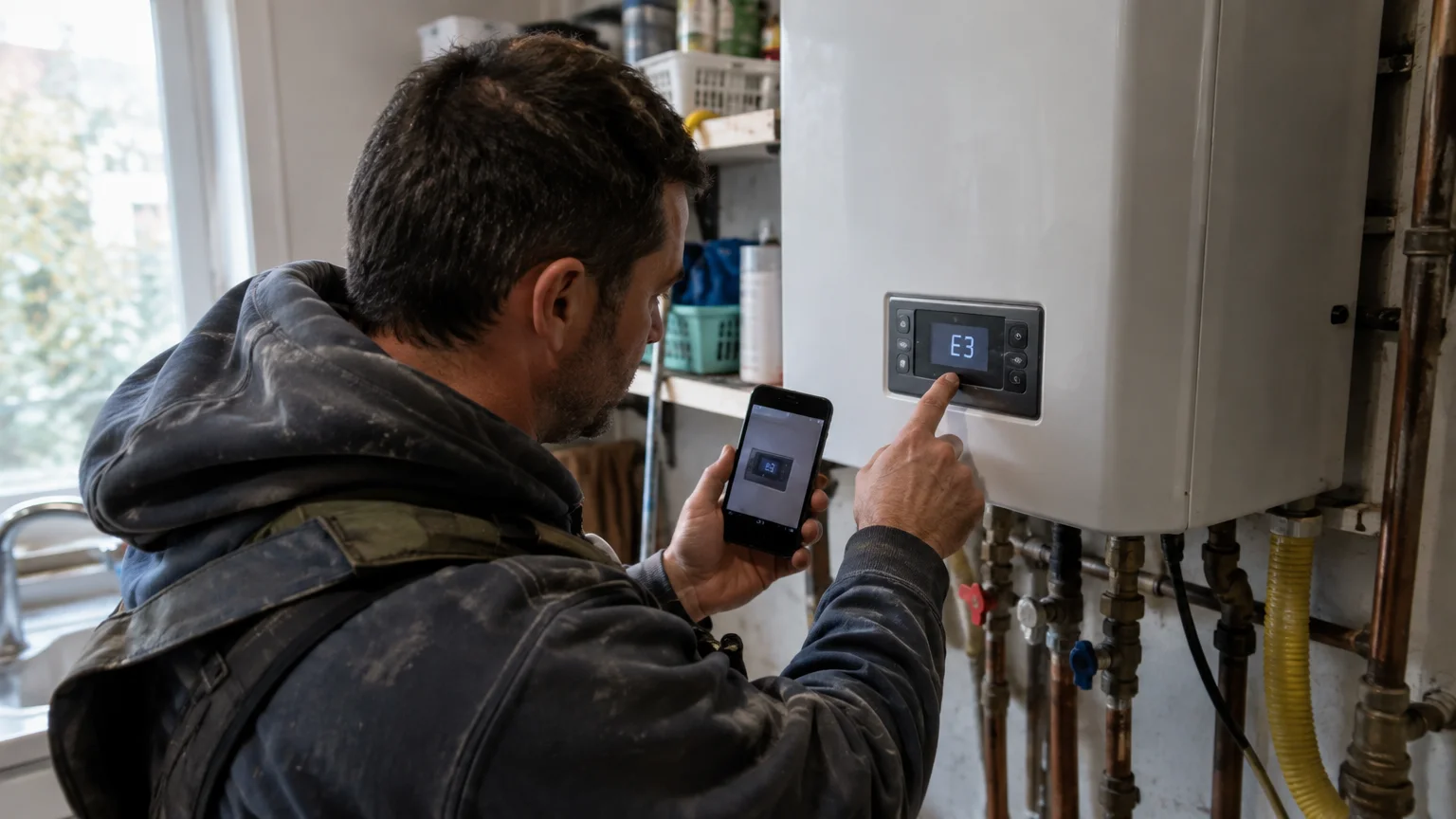
Tankless systems may show an error code or stop heating because of a flow, power, vent, or care issue. Record the code and model details. Do not keep resetting the unit if there is a leak, burning smell, or unusual heat.
When to shut off the water heater's power or fuel supply
For an electric water heater, turn off the breaker only from a dry, safe location. For a gas water heater, use the appliance control as the maker directs when there is no gas smell. If you smell gas, leave at once and contact emergency services or the gas utility from a safe place.
The water supply and energy supply are separate. Turning off one does not always stop the other. Tell the plumber which valves, breakers, or controls were changed.
What information should you give the emergency plumber?
Clear details help the emergency plumber prepare for the visit. Explain what happened, where it began, how fast water is moving, and whether the main supply is off. These facts can help the plumber bring suitable tools and parts.
Details to record about the problem and recent changes
Write down when the problem started and what happened before it. Recent remodeling, cold weather, a new appliance, drain cleaning, or water pressure changes may matter. Note whether one fixture or several areas are affected.
Useful details include:
- The problem type, such as a burst pipe, leak, backup, or water heater failure
- The location of visible water, stains, sounds, or odors
- Whether the main valve or fixture valve is closed
- Whether electricity, gas, sewage, or building damage may be involved
- Any error code, model number, or recent repair tied to the problem
Photos, access instructions, and property information to prepare
Take clear photos and short notes when safe. Show the damaged area, nearby valves, equipment labels, and visible property damage. Do not remove covers or enter unsafe spaces for a better picture.
Share building access instructions and explain where the main shutoff is located. Tenants should share landlord details as required by the lease. Business owners should identify closed areas, hours, and safety rules.
What should you check after the emergency plumbing repair?
After the repair, check for active leaks, damp materials, odd sounds, and changes in water pressure. The affected fixture should work as expected before normal use resumes. A repaired pipe may stop visible water while moisture remains behind a wall or below a floor.
Signs of hidden moisture or continuing leaks
Look for new water spots, soft drywall, swollen trim, warped flooring, peeling paint, or a musty smell. Check nearby rooms, cabinets, ceilings, and lower floors. If the water meter moves while every fixture is off, a hidden leak may remain.
Do not cover stains or paint wet surfaces too soon. Drying may need air movement, water removal, or help from a restoration professional. Ask the plumber which warning signs need another visit.
How to document damage and prevent a repeat emergency
Keep photos, repair records, model details, and notes about the cause. These records may help with property management or an insurance claim. Follow the plumber's advice about weak parts, exposed pipes, and access to shutoff valves.
A homeowner can test a main valve during a dry, quiet time if it turns easily. Regular checks of supply lines, toilets, faucets, and water heaters can find small problems early. A licensed professional should handle hidden pipes, gas connections, major leaks, and work that needs permits.
Key takeaways
- Protect people first and keep away from water near electrical equipment.
- Shut off the main valve or fixture valve only when it is safe.
- Stop using fixtures linked to an overflowing toilet or blocked drain.
- Treat gas smells, sewage, exposed wiring, and major building damage as urgent hazards.
- Record photos, valve positions, equipment details, and access instructions.
Frequently Asked Questions
What should be turned off during a plumbing emergency?
Turn off the main water supply or affected fixture valve when safe. An electric water heater may need its breaker turned off from a dry place. Gas appliances need extra care. Anyone who smells gas, sees fire, or faces electrical danger should leave and contact emergency services.
How can someone find a water leak in a house?
Check faucets, toilets, supply lines, ceilings, cabinets, walls, and floors for damp spots. A musty smell or moving water meter may point to a hidden leak. Do not open walls or enter wet electrical areas. A leak detection professional can find water behind finished surfaces.
Should a homeowner use drain cleaner before the plumber arrives?
No. Chemical drain cleaners can harm pipes, create dangerous fumes, and injure anyone who later works on the line. Stop using the fixture instead. A plunger may help with a simple, safe toilet clog, but repeated backups or sewage need professional attention.
Is it safe to turn off a water heater during a failure?
It may be safe when the controls are easy to reach from a dry place. There must be no gas smell, fire, steam, or exposed wiring. Electric units may be switched off at the breaker. Gas concerns require immediate exit and help from the gas utility or emergency services.
What should tenants do before an emergency plumber arrives?
Tenants should protect people, stop using affected fixtures, and close an easy-to-reach valve when safe. They should notify the landlord or property manager under the lease rules. Photos and clear notes can help show what happened. Tenants should not remove walls or attempt risky repairs.
What is the best next step during a plumbing emergency?
The best next step is to control the water only when safe, keep people away from hazards, and share clear details with a qualified emergency plumber. Plumbing Riverside California supports urgent plumbing needs for Riverside property owners and can help plan the next safe repair step. Contact us to arrange emergency plumbing assistance.